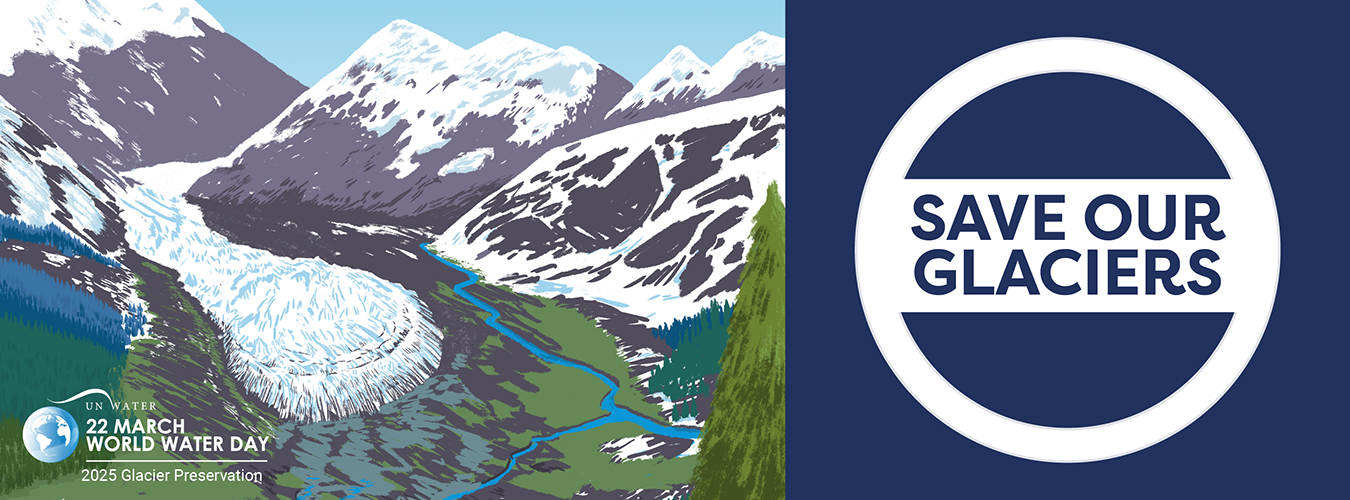

World Water Day 2025 will focus on the theme, ‘Glacier Preservation,’ to highlight the critical role of glaciers in sustaining life and the water cycle. Glaciers, mountain run-off, and snowmelt provide nearly two billion people with water for drinking, agriculture, and energy production. The Day aims to raise awareness on the challenges created by melting glaciers and calls on the global community to accelerate carbon emission reductions and implement local strategies to adapt to shrinking glaciers and uncertainties in water flows.
Glacier preservation
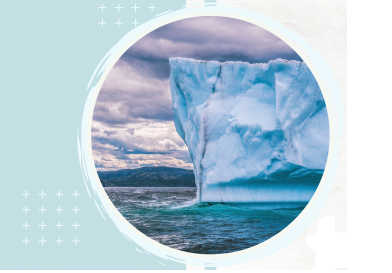
Glaciers are melting faster than ever.
As the planet gets hotter, our frozen world is shrinking, making the water cycle more unpredictable.
For billions of people, meltwater flows are changing, causing floods, droughts, landslides and sea level rise.
Countless communities and ecosystems are at risk of devastation.
As we work together to mitigate and adapt to climate change, glacier preservation is a top priority.
We must reduce greenhouse gas emissions to slow down glacial retreat.
And, we must manage meltwater more sustainably.
Saving our glaciers is a survival strategy for people and the planet.
Protecting frozen water resources for the future
The theme of World Water Day 2025 is ‘Glacier Preservation’.
Glaciers are critical to life – their meltwater is essential for drinking water, agriculture, industry, clean energy production and healthy ecosystems.
Rapidly melting glaciers are causing uncertainty to water flows, with profound impacts on people and the planet.
Global reductions in carbon emissions and local strategies to adapt to shrinking glaciers are essential.
This World Water Day, we must work together to put glacier preservation at the core of our plans to tackle climate change and the global water crisis.
Key messages for World Water Day 2025
- Glaciers are melting faster than ever. As the planet gets hotter due to climate change, our frozen world is shrinking, making the water cycle more unpredictable and extreme.
- Glacial retreat threatens devastation. For billions of people, meltwater flows are changing, causing floods, droughts, landslides and sea level rise, and damaging ecosystems.
- Glacier preservation is a survival strategy. We must work together to reduce greenhouse gas emissions and manage meltwater more sustainably for people and the planet.
Did you know?
- In 2023, glaciers lost more than 600 gigatons of water, the largest mass loss registered in 50 years. (WMO)
- About 70% of Earth’s freshwater exists as snow or ice. (WMO)
- Nearly 2 billion people rely on water from glaciers, snowmelt and mountain run-off for drinking, agriculture, and energy production. (UN-Water/UNESCO)
- Increased glacier melting contributes significantly to global sea-level rise, with today’s sea level about 20 cm higher than in 1900. (IPCC)
- Limiting global warming to 1.5°C could save glaciers in two-thirds of World Heritage sites. (UNESCO/IUCN)
^

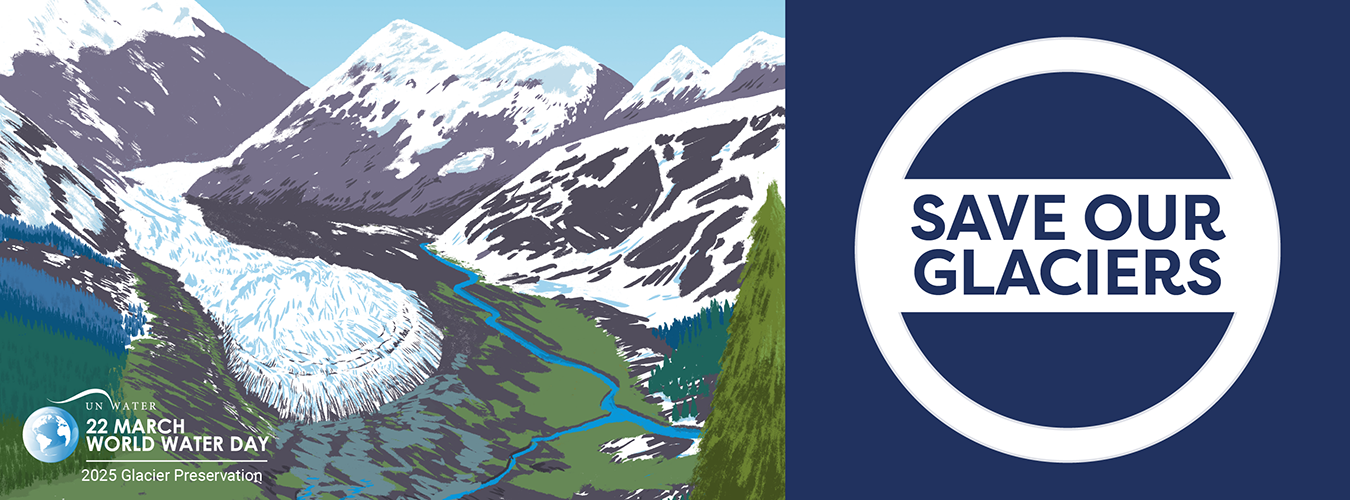
World Water Day 2025 will focus on the theme, ‘Glacier Preservation,’ to highlight the critical role of glaciers in sustaining life and the water cycle. Glaciers, mountain run-off, and snowmelt provide nearly two billion people with water for drinking, agriculture, and energy production. The Day aims to raise awareness on the challenges created by melting glaciers and calls on the global community to accelerate carbon emission reductions and implement local strategies to adapt to shrinking glaciers and uncertainties in water flows.
Glacier preservation
Glaciers are melting faster than ever.
As the planet gets hotter, our frozen world is shrinking, making the water cycle more unpredictable.
For billions of people, meltwater flows are changing, causing floods, droughts, landslides and sea level rise.
Countless communities and ecosystems are at risk of devastation.
As we work together to mitigate and adapt to climate change, glacier preservation is a top priority.
We must reduce greenhouse gas emissions to slow down glacial retreat.
And, we must manage meltwater more sustainably.
Saving our glaciers is a survival strategy for people and the planet.
Protecting frozen water resources for the future
The theme of World Water Day 2025 is ‘Glacier Preservation’.
Glaciers are critical to life – their meltwater is essential for drinking water, agriculture, industry, clean energy production and healthy ecosystems.
Rapidly melting glaciers are causing uncertainty to water flows, with profound impacts on people and the planet.
Global reductions in carbon emissions and local strategies to adapt to shrinking glaciers are essential.
This World Water Day, we must work together to put glacier preservation at the core of our plans to tackle climate change and the global water crisis.
Key messages for World Water Day 2025
- Glaciers are melting faster than ever. As the planet gets hotter due to climate change, our frozen world is shrinking, making the water cycle more unpredictable and extreme.
- Glacial retreat threatens devastation. For billions of people, meltwater flows are changing, causing floods, droughts, landslides and sea level rise, and damaging ecosystems.
- Glacier preservation is a survival strategy. We must work together to reduce greenhouse gas emissions and manage meltwater more sustainably for people and the planet.
Did you know?
- In 2023, glaciers lost more than 600 gigatons of water, the largest mass loss registered in 50 years. (WMO)
- About 70% of Earth’s freshwater exists as snow or ice. (WMO)
- Nearly 2 billion people rely on water from glaciers, snowmelt and mountain run-off for drinking, agriculture, and energy production. (UN-Water/UNESCO)
- Increased glacier melting contributes significantly to global sea-level rise, with today’s sea level about 20 cm higher than in 1900. (IPCC)
- Limiting global warming to 1.5°C could save glaciers in two-thirds of World Heritage sites. (UNESCO/IUCN)
^
