
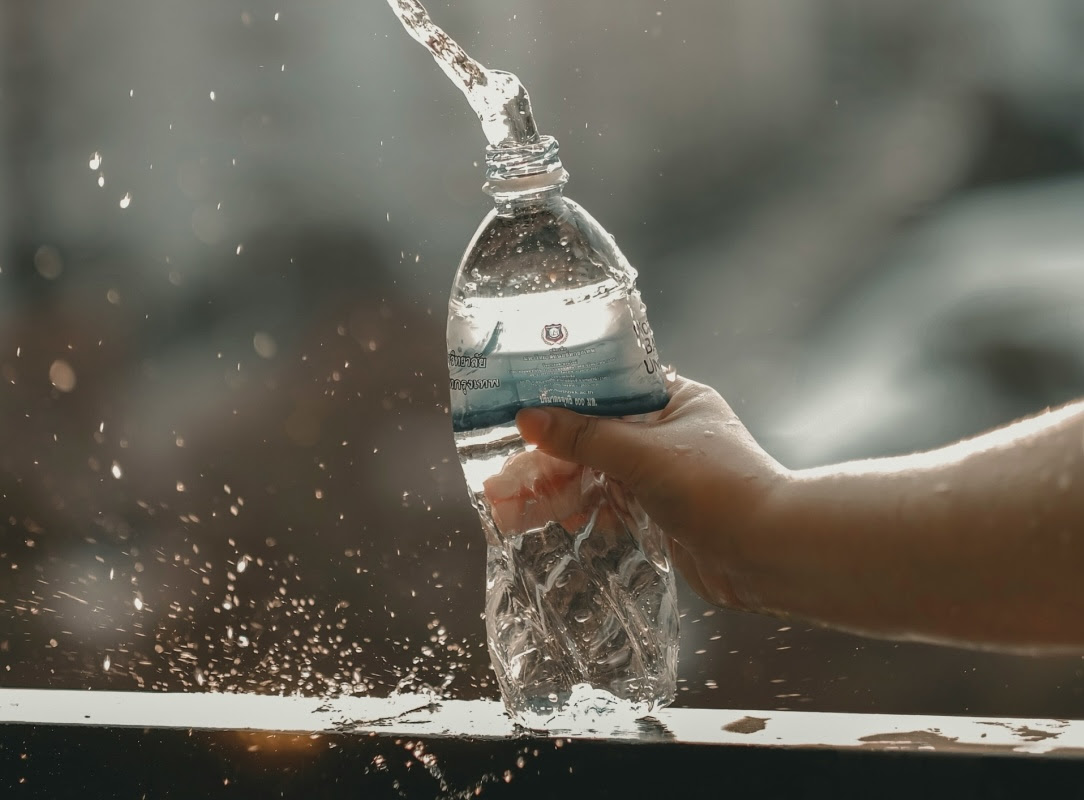

Single-Use Water Bottles: A Silent Health Threat
New research reveals that tens of thousands of microplastic particles enter our bodies each year
October 2025 | HPA News Service
Single-use plastic water bottles pose not only an environmental challenge but also a growing health risk.
A new study from Concordia University (Canada) shows that regular use of bottled water directly introduces tens of thousands of micro- and nanoplastic particles into the human body each year.
A Chronic, Invisible Threat
Lead researcher Dr. Sarah Sajedi warns that long-term exposure to these plastics represents a form of chronic toxicity, not an immediate one.
Her comprehensive review of over 140 scientific studies found that bottled-water consumers ingest approximately 90,000 more microplastic particles per year than those who drink tap water.
These particles are released as bottles are manufactured, stored, transported, and exposed to sunlight or temperature fluctuations — especially when made from low-quality plastic.
Plastics That Travel Inside the Body
Microplastics are not confined to the digestive system. Research shows they can enter the bloodstream, cross cell membranes, and reach vital organs.
Over time, this can contribute to oxidative stress, hormonal disruption, reproductive disorders, neurological damage, and even cancer.
However, the full scale of the health risk remains unknown due to a lack of standardized testing and measurement techniques.
Policy Gap: Water Bottles Overlooked
While many governments have introduced bans on plastic bags, straws, and packaging, single-use water bottles remain largely unregulated.
According to Dr. Sajedi:
“Drinking from a plastic bottle may be fine in an emergency, but it should not be part of daily life. Education and awareness are our most powerful defenses.”
Implications for Türkiye and Beyond
In Türkiye, bottled water consumption increases sharply during summer months.
Experts emphasize that this trend poses both solid waste management and water quality risks, particularly through microplastic contamination.
Strengthening public trust in tap water, promoting reusable bottle systems, and integrating microplastic analysis into drinking water standards are now public health priorities.
Experts say more data is needed to understand the long-term health effects of microplastics fully. However, they also recommend filling with non-plastic, reusable bottles.
^
Single-Use Water Bottles: A Silent Health Threat
New research reveals that tens of thousands of microplastic particles enter our bodies each year
October 2025 | HPA News Service
Single-use plastic water bottles pose not only an environmental challenge but also a growing health risk.
A new study from Concordia University (Canada) shows that regular use of bottled water directly introduces tens of thousands of micro- and nanoplastic particles into the human body each year.
A Chronic, Invisible Threat
Lead researcher Dr. Sarah Sajedi warns that long-term exposure to these plastics represents a form of chronic toxicity, not an immediate one.
Her comprehensive review of over 140 scientific studies found that bottled-water consumers ingest approximately 90,000 more microplastic particles per year than those who drink tap water.
These particles are released as bottles are manufactured, stored, transported, and exposed to sunlight or temperature fluctuations — especially when made from low-quality plastic.
Plastics That Travel Inside the Body
Microplastics are not confined to the digestive system. Research shows they can enter the bloodstream, cross cell membranes, and reach vital organs.
Over time, this can contribute to oxidative stress, hormonal disruption, reproductive disorders, neurological damage, and even cancer.
However, the full scale of the health risk remains unknown due to a lack of standardized testing and measurement techniques.
Policy Gap: Water Bottles Overlooked
While many governments have introduced bans on plastic bags, straws, and packaging, single-use water bottles remain largely unregulated.
According to Dr. Sajedi:
“Drinking from a plastic bottle may be fine in an emergency, but it should not be part of daily life. Education and awareness are our most powerful defenses.”
Implications for Türkiye and Beyond
In Türkiye, bottled water consumption increases sharply during summer months.
Experts emphasize that this trend poses both solid waste management and water quality risks, particularly through microplastic contamination.
Strengthening public trust in tap water, promoting reusable bottle systems, and integrating microplastic analysis into drinking water standards are now public health priorities.
Experts say more data is needed to understand the long-term health effects of microplastics fully. However, they also recommend filling with non-plastic, reusable bottles.
^
