


Perspective on GAP should be renewed
Dursun Yıldız
Director
Hydropolitics Academy-Türkiye
28 Feb. 2025
GAP is our largest regional development project, which has slowed down but has not been interrupted despite all the difficulties. Recent developments in our country and the region have increased the economic and strategic importance of GAP. We must take into account the new geopolitical situation in the region and complete this project with both protection and a new understanding.
GAP was discussed at the Economy Coordination Board held in Şanlıurfa on December 29, 2024, under the chairmanship of Vice President Cevdet Yılmaz. The statement stated that the impact of GAP on regional development should be increased and that efforts to make agriculture the driving force in this process will be accelerated. This statement reiterated the impact of GAP on regional development and the importance of agriculture being the driving force in this process.
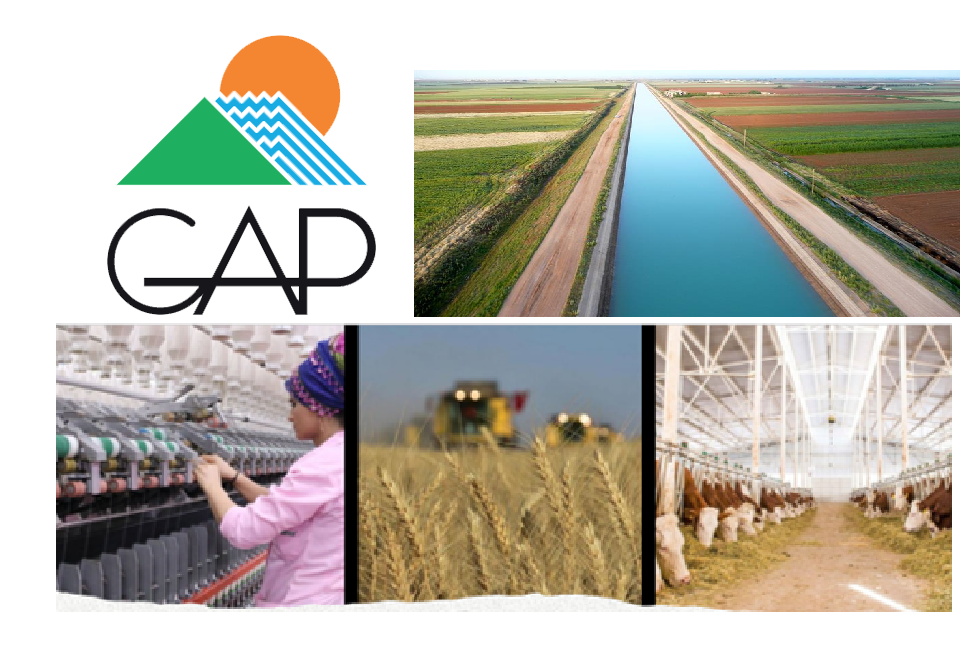
GAP is a water-based integrated regional development project that started in 1980 and has continued for almost half a century. The physical completion rate of energy projects is approximately 92%, and approximately two-thirds of the planned area in Action Plan has been opened for irrigation.
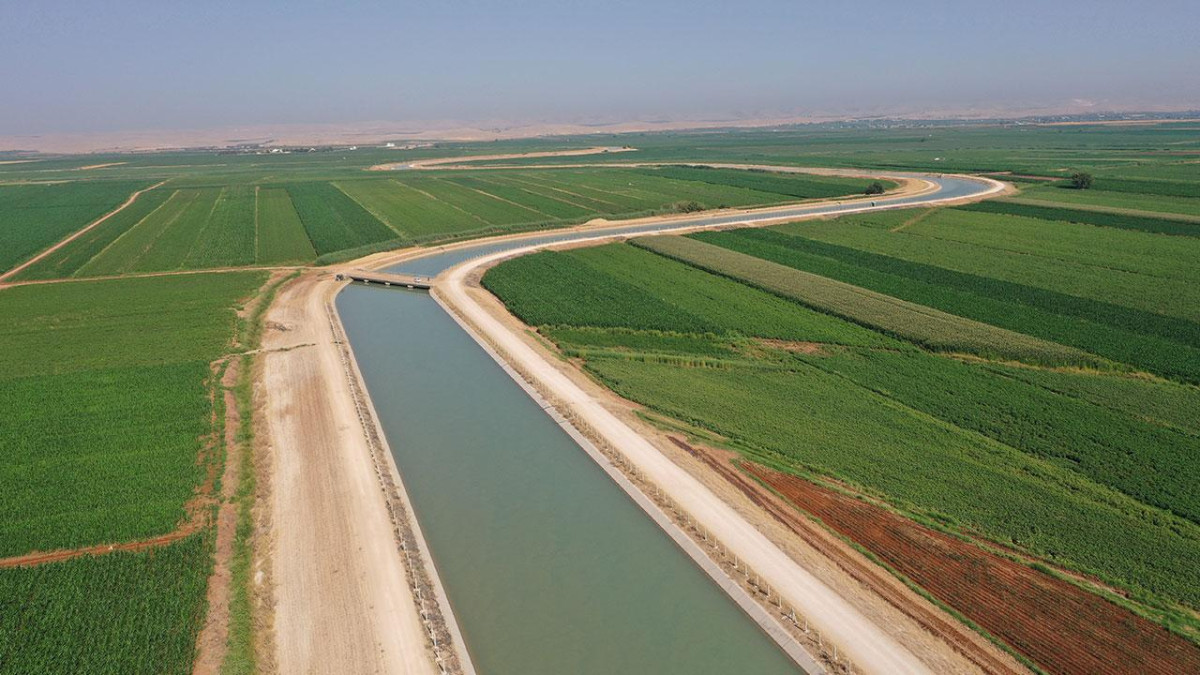
GAP’s general development goals include ensuring regional development, eliminating interregional differences, improving economic and social conditions in the region, and increasing the welfare level and living standards of the local people. GAP aims at the economic, social and social development of the region and indirectly serves the national development of Turkey. It is planned to reduce inter-regional and intra-regional inequality and accelerate socio-economic development by increasing the area opened for irrigation in the GAP. Progress has been made with the gradual commissioning of irrigation projects in the GAP, but the planned results have not been fully achieved. Although the area opened for irrigation has reached 680 000 hectares as of 2024 December, product diversity and the parallel development of agriculture-based industry and value-added production have not been achieved sufficiently. Agriculture-industry-commerce integration has not been fully achieved. This necessitates a renewal of our perspective on GAP.
Development within the region is uneven
The developments in the manufacturing industry and employment in the region have mostly occurred in the provinces of Gaziantep, Şanlıurfa and Diyarbakır, and the spread of this development to the other 6 provinces is delayed. The positive impact of the Project on income distribution within the region has not been realized sufficiently. With the integration of agriculture, industry and trade in the region; Sufficient progress has not been made in creating a large market, increasing trade, making manufacturing industry production more efficient, creating a brand and increasing competitiveness in the foreign market, and creating large new business areas by attracting capital.
It is seen that there is a significant increase in the distribution of per capita income in the GAP region only in the last twenty percent, while there is a decrease in the other segments. According to the Socio-Economic Development Ranking of Provinces and Regions, there has been no progress in the socio-economic development levels in the GAP Region provinces, except Gaziantep Province.
Income growth and employment are unstable
It is seen that the Gross Domestic Product per capita between 2016 and 2021 increased slightly in Gaziantep, Şırnak and Mardin provinces and decreased in the other 6 provinces. The unemployment rate in the GAP Region has doubled and decreased over the years. This shows that the progress in the GAP region has not been consistent in reducing unemployment continuously. In addition, there has been an increase in employment in the region, but the employment target in the Master plan has fallen behind and the targeted level in agricultural employment has not been reached. Terrorism in the region and the low and irregular amounts of annual public investment allocations to GAP were important factors affecting the project’s progress.
Distribution of land ownership is unequal
There is great inequality in the distribution of land ownership in the region. According to TURKSTAT’s 2001 General Agriculture Census statistical data, 6% of farmers in the GAP Region are landless. 51% of households own less than 50 decares of land and can only produce for subsistence. This situation not only reduces the rate of utilization of the potential, but also prevents the transition to modern agriculture and irrigation techniques due to low income. Due to the dominance of the tribal structure throughout the region, approximately two-thirds of the land is operated by 12.5% of the families. Approximately one-third of the land is operated by 81.5% of the farmers in the region.
GAP’a olan bakış yenilenmeli ,Tarım sanayi bütünleşmesi sağlanmalı
Ekonomi Koordinasyon Kurulu’nun açıkladığı hedeflerin gerçekleşmesi bölge ve ülkemiz için çok önemlidir. GAP’ta sulamaya açılan alanlar artarken sulama-nema ilişkisi de gözetilmelidir. Bu kapsamda istihdam alanı yaratan, gelir dağılımındaki dengesizliği azaltan küçük ve orta ölçekli işletmelerin desteklenmesi, piyasalara ulaşımın arttırılması, teknoloji, bilgilendirme gibi çalışmalar da birlikte yürütülmelidir. Bu kapsamda GAP’a olan bakış yenilenmeli ve tarıma dayalı sanayiye devlet desteği arttırılmalıdır. Bunun yanı sıra yeni teknoloji ile organik tarım, modern tarımsal sulamada yenilenebilir enerji projeleri, etkin kooperatifçilik, çiftçi eğitimi gibi çeşitli alanlara yönelik uygulamalar hızlanarak sürdürülmelidir. Ürün planlaması, pazarlama ve ihracat ilişkilerine yönelik çalışmaların etkinliği arttırılmalıdır.
.İklim değişikliği ve bölgedeki yeni jeopolitik durum GAP’ın stratejik ve ekonomik önemini çok arttırmıştır. Planlarda yer aldığı gibi bölgenin tarım ve tarıma dayalı sanayiler yönünden bir ihracat üssü olması mümkün ve gereklidir. Bunun için de bölgede tarım sektörünün kalkınmanın itici gücü olmasının önündeki sorunların çözülmesi gerekmektedir.
The perspective on GAP should be renewed, agriculture and industry integration should be ensured.
Achieving the goals announced by the Economy Coordination Board is very important for the region and our country. As the areas opened to irrigation increase in the GAP, the irrigation-development relationship should also be taken into consideration. In this context, studies such as supporting small and medium-sized enterprises that create employment opportunities and reduce the imbalance in income distribution, increasing access to markets, technology and information should be carried out together. In this context, the perspective on GAP should be renewed and state support to agriculture-based industry should be increased. In addition, practices in various fields such as organic agriculture with new technology, renewable energy projects in modern agricultural irrigation, effective cooperatives and farmer training should be accelerated and continued. The effectiveness of studies on product planning, marketing and export relations should be increased.
Climate change effects and the new geopolitical situation in the region have greatly increased the strategic and economic importance of GAP. As stated in the plans, it is possible and necessary for the region to become an export base for agriculture and agriculture-based industries. For this, the problems that prevent the agricultural sector from being the driving force of development in the region need to be solved.
GAP, an integrated regional development project planned during the global economic and international relations period of the Cold War, has become a project bordering a region that is being tried to be reshaped politically today. Changes in climate and political developments in the region have expanded the regional benefit limits of GAP. Recent developments in Syria have increased the importance of GAP in economic and strategic terms. GAP is before us as a project that can offer many different opportunities to use the benefits generated from water for the stability of the entire region. We must protect this project of increasing strategic importance, taking into account the new geopolitical situation in the region, and complete it with a new perspective.
Source: YILDIZ D.,DOĞAN H.H. (2025) GAP 2025 Sulama Hedefleri ve Sonuçları Su Politikaları Derneği .Araştırma Dizisi :2 – Şubat 2025.Ankara
^
Perspective on GAP should be renewed
Dursun Yıldız
Director
Hydropolitics Academy-Türkiye
28 Feb. 2025
GAP is our largest regional development project, which has slowed down but has not been interrupted despite all the difficulties. Recent developments in our country and the region have increased the economic and strategic importance of GAP. We must take into account the new geopolitical situation in the region and complete this project with both protection and a new understanding.
GAP was discussed at the Economy Coordination Board held in Şanlıurfa on December 29, 2024, under the chairmanship of Vice President Cevdet Yılmaz. The statement stated that the impact of GAP on regional development should be increased and that efforts to make agriculture the driving force in this process will be accelerated. This statement reiterated the impact of GAP on regional development and the importance of agriculture being the driving force in this process.
GAP is a water-based integrated regional development project that started in 1980 and has continued for almost half a century. The physical completion rate of energy projects is approximately 92%, and approximately two-thirds of the planned area in Action Plan has been opened for irrigation.
GAP’s general development goals include ensuring regional development, eliminating interregional differences, improving economic and social conditions in the region, and increasing the welfare level and living standards of the local people. GAP aims at the economic, social and social development of the region and indirectly serves the national development of Turkey. It is planned to reduce inter-regional and intra-regional inequality and accelerate socio-economic development by increasing the area opened for irrigation in the GAP. Progress has been made with the gradual commissioning of irrigation projects in the GAP, but the planned results have not been fully achieved. Although the area opened for irrigation has reached 680 000 hectares as of 2024 December, product diversity and the parallel development of agriculture-based industry and value-added production have not been achieved sufficiently. Agriculture-industry-commerce integration has not been fully achieved. This necessitates a renewal of our perspective on GAP.
Development within the region is uneven
The developments in the manufacturing industry and employment in the region have mostly occurred in the provinces of Gaziantep, Şanlıurfa and Diyarbakır, and the spread of this development to the other 6 provinces is delayed. The positive impact of the Project on income distribution within the region has not been realized sufficiently. With the integration of agriculture, industry and trade in the region; Sufficient progress has not been made in creating a large market, increasing trade, making manufacturing industry production more efficient, creating a brand and increasing competitiveness in the foreign market, and creating large new business areas by attracting capital.
It is seen that there is a significant increase in the distribution of per capita income in the GAP region only in the last twenty percent, while there is a decrease in the other segments. According to the Socio-Economic Development Ranking of Provinces and Regions, there has been no progress in the socio-economic development levels in the GAP Region provinces, except Gaziantep Province.
Income growth and employment are unstable
It is seen that the Gross Domestic Product per capita between 2016 and 2021 increased slightly in Gaziantep, Şırnak and Mardin provinces and decreased in the other 6 provinces. The unemployment rate in the GAP Region has doubled and decreased over the years. This shows that the progress in the GAP region has not been consistent in reducing unemployment continuously. In addition, there has been an increase in employment in the region, but the employment target in the Master plan has fallen behind and the targeted level in agricultural employment has not been reached. Terrorism in the region and the low and irregular amounts of annual public investment allocations to GAP were important factors affecting the project’s progress.
Distribution of land ownership is unequal
There is great inequality in the distribution of land ownership in the region. According to TURKSTAT’s 2001 General Agriculture Census statistical data, 6% of farmers in the GAP Region are landless. 51% of households own less than 50 decares of land and can only produce for subsistence. This situation not only reduces the rate of utilization of the potential, but also prevents the transition to modern agriculture and irrigation techniques due to low income. Due to the dominance of the tribal structure throughout the region, approximately two-thirds of the land is operated by 12.5% of the families. Approximately one-third of the land is operated by 81.5% of the farmers in the region.
The perspective on GAP should be renewed, agriculture and industry integration should be ensured.
Achieving the goals announced by the Economy Coordination Board is very important for the region and our country. As the areas opened to irrigation increase in the GAP, the irrigation-development relationship should also be taken into consideration. In this context, studies such as supporting small and medium-sized enterprises that create employment opportunities and reduce the imbalance in income distribution, increasing access to markets, technology and information should be carried out together. In this context, the perspective on GAP should be renewed and state support to agriculture-based industry should be increased. In addition, practices in various fields such as organic agriculture with new technology, renewable energy projects in modern agricultural irrigation, effective cooperatives and farmer training should be accelerated and continued. The effectiveness of studies on product planning, marketing and export relations should be increased.
Climate change effects and the new geopolitical situation in the region have greatly increased the strategic and economic importance of GAP. As stated in the plans, it is possible and necessary for the region to become an export base for agriculture and agriculture-based industries. For this, the problems that prevent the agricultural sector from being the driving force of development in the region need to be solved.
GAP, an integrated regional development project planned during the global economic and international relations period of the Cold War, has become a project bordering a region that is being tried to be reshaped politically today. Changes in climate and political developments in the region have expanded the regional benefit limits of GAP. Recent developments in Syria have increased the importance of GAP in economic and strategic terms. GAP is before us as a project that can offer many different opportunities to use the benefits generated from water for the stability of the entire region. We must protect this project of increasing strategic importance, taking into account the new geopolitical situation in the region, and complete it with a new perspective.
Source: YILDIZ D.,DOĞAN H.H. (2025) GAP 2025 Sulama Hedefleri ve Sonuçları Su Politikaları Derneği .Araştırma Dizisi :2 – Şubat 2025.Ankara
^
