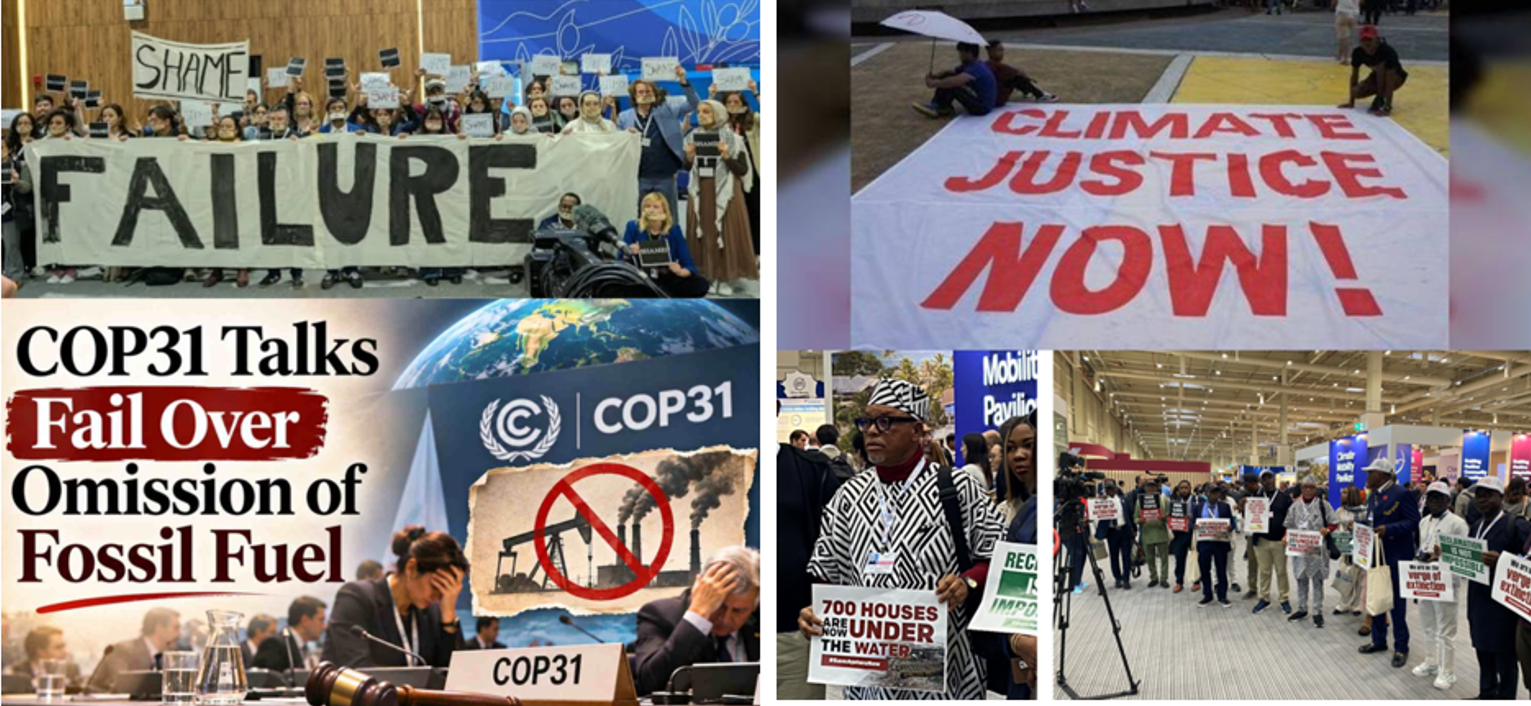
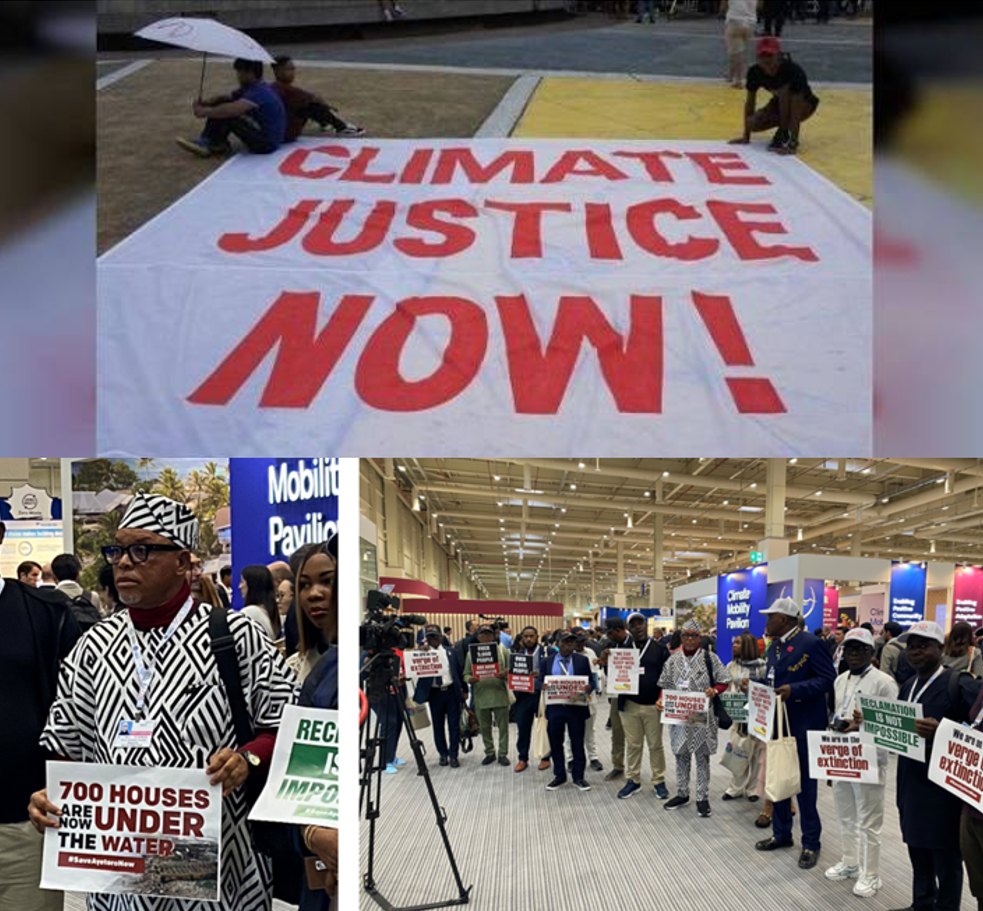
Countries and societies bear varying degrees of historical responsibility for the emergence of climate change, and they are not equally exposed to the impacts of the climate crisis. Vulnerable communities—those that have contributed the least to climate change—often face the most severe consequences of this crisis. As the Water Policy Association, we propose the development of a comprehensive "Climate Justice Work Programme" within the framework of the UNFCCC. This work programme should encompass: • Taking historical emission responsibilities into account; • Ensuring the equitable distribution of and access to climate finance; • Prioritizing vulnerable communities in investments for climate change adaptation; • Reducing inequalities in access to water and food security; • Addressing "Loss and Damage"; • Ensuring intergenerational justice; • Facilitating the effective participation of civil society in decision-making processes; • Developing measurable indicators and monitoring mechanisms related to climate justice. Within this programme, "Water Justice" should be defined as a distinct area of focus. Climate justice is not merely about how the costs of emission reductions are shared among nations; it also concerns how to manage the water scarcity, food insecurity, economic losses, and social inequalities caused by climate change. As the Water Policy Association, we advocate for transitioning climate justice from a political discourse into an institutional, financial, and operational implementation programme. It is not possible to achieve climate justice without first ensuring water justice.
Views:1
Dursun Yıldız
İTÜ mezunu İnşaat Mühendisi ve Su Politikaları Uzmanı. DSİ bünyesinde uzun yıllar Şube Müdürlüğü ve Daire Başkan Yardımcılığı yapmıştır. Hidropolitik, su ve enerji politikaları alanında yayımlanmış çok sayıda kitap, rapor ve makalesi bulunmaktadır; TEMA Bilim Kurulu üyesidir.