

Hydropolitical Academy Center (HPA) – Turkey
Analysis: Dursun Yıldız, Hydropolitics Expert-Director
October 16, 2025
Kazakhstan, Kyrgyzstan, and Uzbekistan have agreed on a new set of protocols for the joint management of energy and water resources.
Signed in Kyrgyzstan on September 8, 2025, these documents reflect the three countries’ commitment to maintaining the water-energy balance in the Syr Darya Basin. The protocols are based primarily on the principle of energy supply in exchange for water releases from the Toktogul Dam.
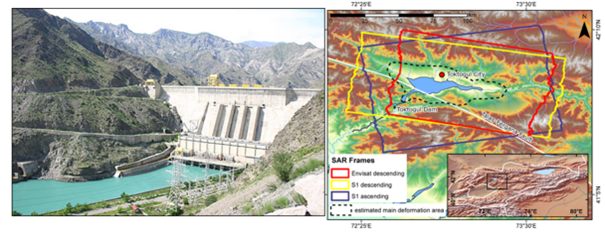
Toktogul Dam: The Region’s Water-Energy Heart
Constructed on the Naryn River in 1976 during the USSR, the Toktogul Dam holds a strategic position in Central Asia’s water-energy equation, with a water storage capacity of 19.5 billion m³ and an installed capacity of 1,200 MW.
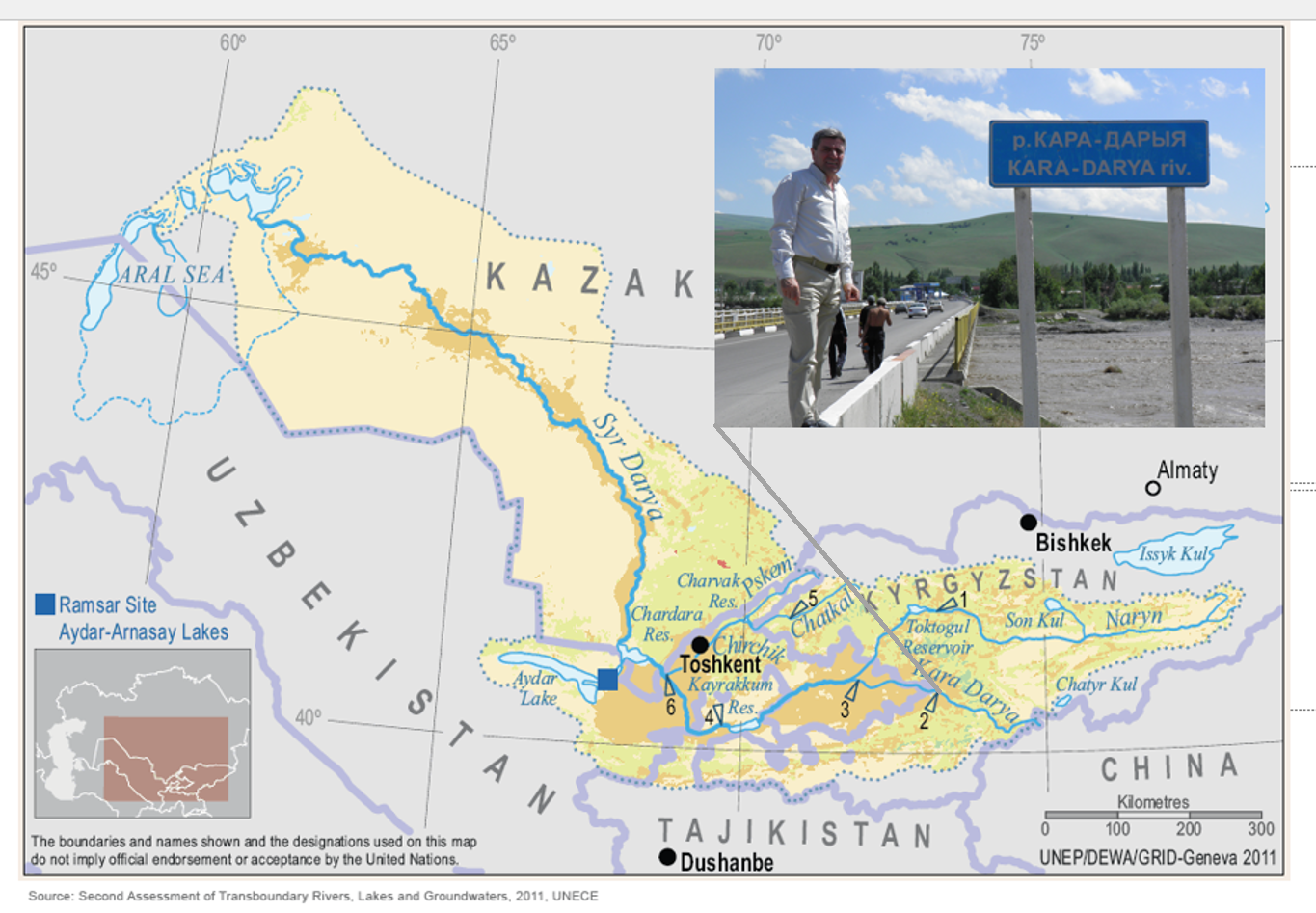
The Naryn River is the most important source of the Syr Darya River, contributing 60-70% of the river’s total flow. The majority of this water (85-90%) is used for agricultural irrigation in Uzbekistan and Kazakhstan. The Narin River originates in the Tian Shan Mountains, a large mountainous basin in eastern Kyrgyzstan, and flows westward before flowing into Uzbekistan and merging with the Black Sea to form the Syr Darya River.
From the USSR Era Balance to the New Era Agreements
During the USSR Era, Kyrgyzstan stored water for the irrigation needs of downstream countries during the summer months, while Kazakhstan and Uzbekistan supplied Kyrgyzstan with natural gas, coal, and oil during the winter months. However, after 1991, Kyrgyzstan, in an effort to increase its energy independence, began operating the Toktogul Dam for winter energy production. This led to summer water shortages in the downstream region and created significant tensions between the countries.
The newly signed protocols aim to redress this imbalance. Under these protocols, Kyrgyzstan will release water for agricultural irrigation in the summer, while Kazakhstan and Uzbekistan will provide Kyrgyzstan with electricity and natural gas during the winter months. This model creates a new balance based on interdependence in Central Asia’s water-energy relations.

From the Tashkent Protocol to Regional Cooperation
The September protocols, which follow on from the agreements signed in Tashkent in May 2025, define how water allocation and energy sharing in the Syr Darya Basin will be conducted during the vegetation period. This framework includes the coordination of water release timing, energy supply, and environmental flows.
Hydropolitical Assessment
This agreement package signals a period in which water is once again emerging as a tool for cooperation in Central Asia. Joint dam operation protocols could contribute to regional stability by reducing intra-basin tensions. Kyrgyzstan secures winter energy, while downstream countries secure summer irrigation. The agreement demonstrates that regional water diplomacy is evolving as a political balancing act rather than a technical compromise. The joint planning of water storage and release regimes also emerges as a critical step for adapting to climate change in the region.
Conclusion
This new water-energy cooperation model, centered on the Toktogul Dam, stands out as the most comprehensive coordination effort in the Syr Darya Basin since the post-Soviet era.
If operated sustainably, this protocol package could mark the beginning of a new regional integration process extending from “water sharing to energy sharing.” In this context, the new hydropolitics of the Syr Darya Basin will contribute significantly to the creation of a water-energy cooperation infrastructure that will reshape the region.
Hydropolitics Academy Center (HPA) – Türkiye
Analysis: Dursun Yıldız, Hydropolitics Expert
^
Hydropolitical Academy Center (HPA) – Turkey
Analysis: Dursun Yıldız, Hydropolitics Expert-Director
October 16, 2025
Kazakhstan, Kyrgyzstan, and Uzbekistan have agreed on a new set of protocols for the joint management of energy and water resources.
Signed in Kyrgyzstan on September 8, 2025, these documents reflect the three countries’ commitment to maintaining the water-energy balance in the Syr Darya Basin. The protocols are based primarily on the principle of energy supply in exchange for water releases from the Toktogul Dam.
Toktogul Dam: The Region’s Water-Energy Heart
Constructed on the Naryn River in 1976 during the USSR, the Toktogul Dam holds a strategic position in Central Asia’s water-energy equation, with a water storage capacity of 19.5 billion m³ and an installed capacity of 1,200 MW.
The Naryn River is the most important source of the Syr Darya River, contributing 60-70% of the river’s total flow. The majority of this water (85-90%) is used for agricultural irrigation in Uzbekistan and Kazakhstan. The Narin River originates in the Tian Shan Mountains, a large mountainous basin in eastern Kyrgyzstan, and flows westward before flowing into Uzbekistan and merging with the Black Sea to form the Syr Darya River.
From the USSR Era Balance to the New Era Agreements
During the USSR Era, Kyrgyzstan stored water for the irrigation needs of downstream countries during the summer months, while Kazakhstan and Uzbekistan supplied Kyrgyzstan with natural gas, coal, and oil during the winter months. However, after 1991, Kyrgyzstan, in an effort to increase its energy independence, began operating the Toktogul Dam for winter energy production. This led to summer water shortages in the downstream region and created significant tensions between the countries.
The newly signed protocols aim to redress this imbalance. Under these protocols, Kyrgyzstan will release water for agricultural irrigation in the summer, while Kazakhstan and Uzbekistan will provide Kyrgyzstan with electricity and natural gas during the winter months. This model creates a new balance based on interdependence in Central Asia’s water-energy relations.
From the Tashkent Protocol to Regional Cooperation
The September protocols, which follow on from the agreements signed in Tashkent in May 2025, define how water allocation and energy sharing in the Syr Darya Basin will be conducted during the vegetation period. This framework includes the coordination of water release timing, energy supply, and environmental flows.
Hydropolitical Assessment
This agreement package signals a period in which water is once again emerging as a tool for cooperation in Central Asia. Joint dam operation protocols could contribute to regional stability by reducing intra-basin tensions. Kyrgyzstan secures winter energy, while downstream countries secure summer irrigation. The agreement demonstrates that regional water diplomacy is evolving as a political balancing act rather than a technical compromise. The joint planning of water storage and release regimes also emerges as a critical step for adapting to climate change in the region.
Conclusion
This new water-energy cooperation model, centered on the Toktogul Dam, stands out as the most comprehensive coordination effort in the Syr Darya Basin since the post-Soviet era.
If operated sustainably, this protocol package could mark the beginning of a new regional integration process extending from “water sharing to energy sharing.” In this context, the new hydropolitics of the Syr Darya Basin will contribute significantly to the creation of a water-energy cooperation infrastructure that will reshape the region.
Hydropolitics Academy Center (HPA) – Türkiye
Analysis: Dursun Yıldız, Hydropolitics Expert
^
