

Reverse migration from major cities should be encouraged
June 7, 2026
Dursun Yıldız
Hydropoltics Expert
President, Hydropolitics Association
Member, Scientific Committee for the Istanbul Spatial Development Plan (IPA)
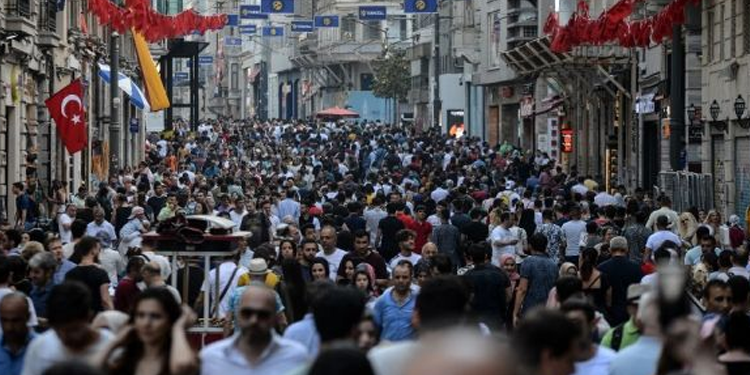
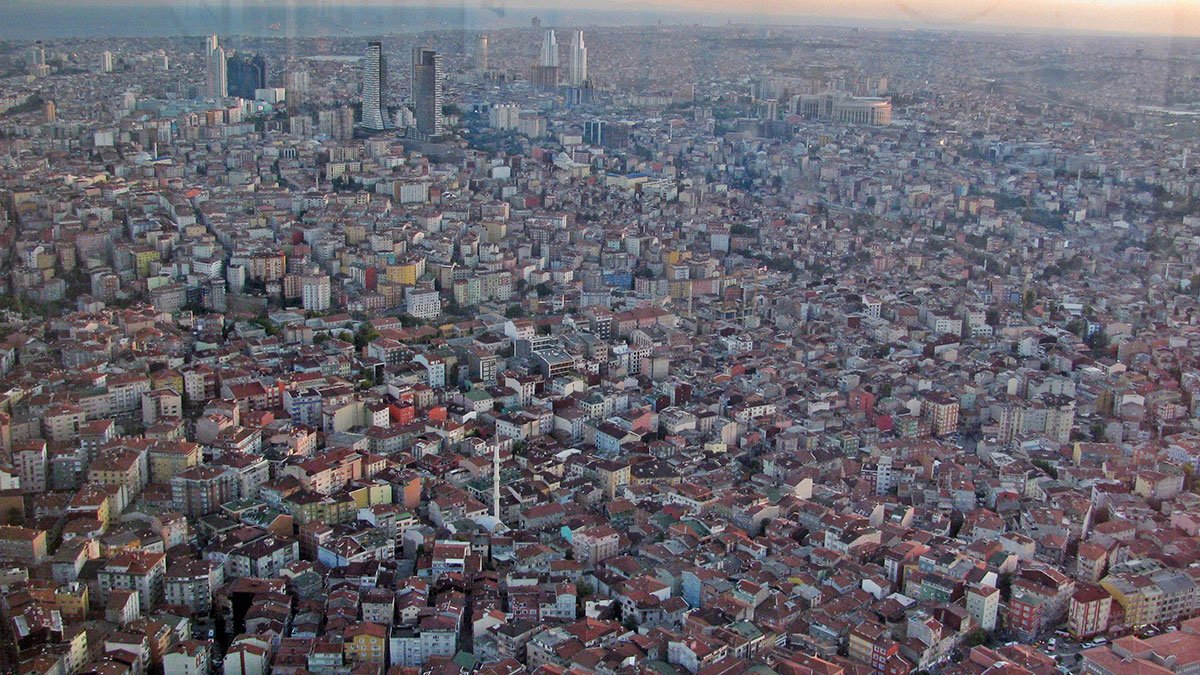
The populations of our major cities are rising rapidly due to migration from rural areas. Migration to cities and the resulting population growth exert the most significant pressure on water resources. Istanbul—particularly its European Side—faces a water crisis driven by unplanned, haphazard urbanization and the intense pressure of a rapidly growing population.
Land-use planning and water resource planning must be conducted in an integrated manner. Because this planning approach was abandoned in Istanbul, the security of the water supply has been jeopardized. The European Side of Istanbul has a larger population but fewer water resources; consequently, the water supply security for this rapidly growing area relies on water transported from the Melen Stream basin, located 160 kilometers away.
In reality, the water issue for Istanbul is no longer merely a matter of “water management”; it has evolved into a challenge involving spatial planning, population density management, and—increasingly—the management of reverse migration. These three issues are directly interconnected.
A significant portion of Istanbul’s water needs is met through inter-basin water transfer. Therefore, curbing population growth in Istanbul and encouraging reverse migration among the existing population is of great importance. As the city expands, water basins become vulnerable to development pressures, transportation projects trigger further construction, and the natural integrity of water catchment areas is compromised. Consequently, the city’s water supply security becomes increasingly dependent on water transported from other basins. Preventing this—by economically strengthening and accelerating the development of Anatolian cities, decentralizing industry, developing medium-sized cities, and encouraging reverse migration—would also alleviate the pressure on Istanbul’s water resources. Reverse migration is, in fact, more than just a migration policy; it is a “national spatial balancing strategy.” This strategy has emerged as a critical necessity for major cities experiencing rapid population growth, such as Istanbul and Ankara.
Istanbul’s water crisis can be mitigated not merely by supplying additional water to a growing population, but by adopting radical demand management, implementing spatial planning measures, and encouraging reverse migration.
^
Reverse migration from major cities should be encouraged
June 7, 2026
Dursun Yıldız
Hydropoltics Expert
President, Hydropolitics Association
Member, Scientific Committee for the Istanbul Spatial Development Plan (IPA)
The populations of our major cities are rising rapidly due to migration from rural areas. Migration to cities and the resulting population growth exert the most significant pressure on water resources. Istanbul—particularly its European Side—faces a water crisis driven by unplanned, haphazard urbanization and the intense pressure of a rapidly growing population.
Land-use planning and water resource planning must be conducted in an integrated manner. Because this planning approach was abandoned in Istanbul, the security of the water supply has been jeopardized. The European Side of Istanbul has a larger population but fewer water resources; consequently, the water supply security for this rapidly growing area relies on water transported from the Melen Stream basin, located 160 kilometers away.
In reality, the water issue for Istanbul is no longer merely a matter of “water management”; it has evolved into a challenge involving spatial planning, population density management, and—increasingly—the management of reverse migration. These three issues are directly interconnected.
A significant portion of Istanbul’s water needs is met through inter-basin water transfer. Therefore, curbing population growth in Istanbul and encouraging reverse migration among the existing population is of great importance. As the city expands, water basins become vulnerable to development pressures, transportation projects trigger further construction, and the natural integrity of water catchment areas is compromised. Consequently, the city’s water supply security becomes increasingly dependent on water transported from other basins. Preventing this—by economically strengthening and accelerating the development of Anatolian cities, decentralizing industry, developing medium-sized cities, and encouraging reverse migration—would also alleviate the pressure on Istanbul’s water resources. Reverse migration is, in fact, more than just a migration policy; it is a “national spatial balancing strategy.” This strategy has emerged as a critical necessity for major cities experiencing rapid population growth, such as Istanbul and Ankara.
Istanbul’s water crisis can be mitigated not merely by supplying additional water to a growing population, but by adopting radical demand management, implementing spatial planning measures, and encouraging reverse migration.
^
