
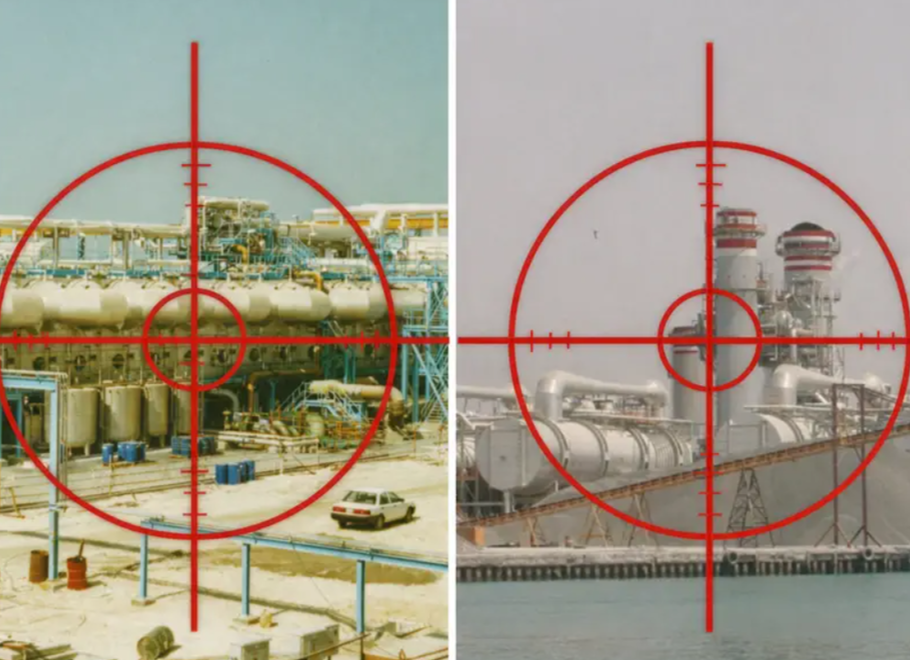

Potential Consequences of Attacks on Water Infrastructure in Armed Conflict.
Erosion of Human Rights Norms and the Re-Securitization of Water
Dursun Yıldız
C.E Hydropolitcs Expert (M.Sc.)
Hydropolitics Association,
Ankara-Türkiye
e-mail:dursunyildiz001@gmail.com
April 10 2026
Abstract
Attacks on water infrastructure during armed conflicts have increased in frequency and strategic importance over the past decade. These attacks not only violate core principles of International Humanitarian Law (IHL) but also undermine the broader human rights regime by directly targeting systems indispensable for civilian survival. This article examines the legal, political, and hydropolitical implications of such attacks. It argues that the growing normalization of water infrastructure targeting reflects a deeper transformation: the re-securitization and weaponization of water within contemporary conflict environments. Drawing on legal frameworks, recent conflict patterns, and hydropolitical theory, the study highlights the risks of norm erosion and proposes policy pathways to reinforce protection and resilience.
Keywords: water security, hydropolitics, international humanitarian law, infrastructure warfare, human rights
1. Introduction
Water has historically been framed as a shared resource and a potential vector for cooperation. However, recent conflicts demonstrate a shift toward the strategic targeting of water systems, including drinking water facilities, wastewater treatment plants, dams, and pumping stations.
This trend raises three fundamental questions: Does targeting water infrastructure violate established legal norms? Does it signal a regression in human rights protections? How does it reshape the hydropolitical role of water in conflict? This article argues that such attacks are not isolated incidents but part of a broader transformation in warfare, where civilian infrastructure becomes a central battlefield.
2. Legal Framework of Protection of Water Infrastructure
The Geneva Conventions and Additional Protocol I (1977) establish the foundational rules, including “ Civilians and civilian objects must not be targeted, Incidental harm must not be excessive and only legitimate military objectives may be attacked
Article 54 explicitly prohibits Attacks against objects indispensable to the survival of the civilian population. This includes drinking water installations, irrigation systems, and water storage and distribution infrastructure. In addition to the International Criminal Court Rome Statute (Article 8), intentionally attacking civilian infrastructure, using starvation or deprivation as a method of warfare, may constitute war crimes. Thus, deliberate targeting of water systems qualifies as both an IHL violation and an international criminal liability trigger.
3. Right to Water and Life
The United Nations recognizes access to safe water as a fundamental human right (UNGA Resolution 64/292). Water disruption directly affects the right to life (Article 6, ICCPR) and the right to health (ICESCR Article 12)
Unlike other infrastructure, water systems create cascading impacts on sectors such as public health, food, industry, and society, leading to displacement and unrest. This creates a compound humanitarian crisis rather than a single-sector failure.
4. Hydropolitical Transformation From Cooperation to Weaponization
Water is increasingly used as a strategic tool in conflict, reflecting hydro-hegemony and securitization trends. Traditional hydropolitics emphasized basin cooperation, benefit-sharing, and Institutional governance. However, current conflict patterns indicate a shift toward the weaponization and re-Securitization of water. Water is transitioning from Low politics (development issue) to High politics (security issue). This aligns with securitization theory (Buzan et al., 1998), where an issue becomes a security threat, and extraordinary measures become justified
Moreover, control over water infrastructure produces territorial leverage , population control , and strategic advantage. Zeitoun & Warner (2006) define this as hydro-hegemony, where power asymmetry determines water control outcomes.
5. Strategic Logic of Targeting Water Infrastructure
The strategic logic of targeting water infrastructure is high impact with low cost dynamics. Water systems are centralized, interdependent, and hard to replace quickly. Thus, minimal force can produce maximum systemic disruption
Meanwhile, modern conflicts increasingly rely on energy grid attacks, cyber operations, and water system targeting. This reflects a shift from kinetic warfare to systemic warfare. Water deprivation erodes morale, induces migration, and weakens governance legitimacy . It creates psychological and social Impact. It also functions as a coercive tool against civilian populations.
6. International Norm Erosion and Regression
Although international legal norms exist, enforcement is weak, and violations are on the rise. This creates international normative erosion. In addition, repeated violations without accountability normalize unlawful behavior and reduce deterrence.
If unchecked, humanitarian law loses credibility, and infrastructure targeting becomes standard practice, leading to increasing systemic risk .
7. Discussion and Conclusion
Repeated targeting of water plants, damage to dams and pumping stations, and disruption of urban water networks is intentional strategic use, not incidental damage. This requires strengthening legal protection explicitly classifying water systems as “protected critical infrastructure” and strengthening international courts, Satellite monitoring, and AI-based anomaly detection, preventive water diplomacy, decentralized systems design, backup water supply, and emergency response infrastructure
The increasing targeting of water infrastructure reflects a deeper transformation. This shows that war is no longer confined to military assets, and civilian systems are now central to strategic outcomes. This shift challenges traditional legal frameworks and existing humanitarian response models. In this case, water, once a cooperation catalyst becomes a conflict multiplier
Water disruption directly affects the right to life and health and creates cascading humanitarian crises. Water is increasingly used as a strategic tool in conflict, reflecting hydro-hegemony and securitization trends. Attacks on water infrastructure represent a violation of international law, a regression in human rights protections and a transformation in the geopolitics of water. Water infrastructure represents high-impact, low-cost targets that can cause rapid systemic disruption. In addition, because the gap between international legal norms and practice is widening, this can lead to the normalization of human rights violations. Therefore, attacks on water infrastructure can continue to rise.
If current trends persist, water will evolve from a shared resource into a primary instrument of coercion and control in conflict environments. It can lead to erosion of human rights norms and the re-securitization of water
It should be noted that water is evolving into a central instrument of conflict, requiring urgent policy and legal responses. Reversing this trajectory requires stronger legal enforcement, improved monitoring, and proactive hydrodiplomacy
References
Buzan, B., Wæver, O., & de Wilde, J. (1998). Security: A New Framework for Analysis. Lynne Rienner.
International Committee of the Red Cross (ICRC). (1977). Additional Protocol I.
United Nations General Assembly. (2010). Resolution 64/292: The Human Right to Water and Sanitation.
International Criminal Court (1998). Rome Statute.
Zeitoun, M., & Warner, J. (2006). Hydro-hegemony – A framework for analysis of transboundary water conflicts. Water Policy, 8(5), 435–460.
Gleick, P. H. (2014). Water, Drought, Climate Change, and Conflict in Syria. Weather, Climate, and Society.
ICRC (2021). When Water is a Target: Legal Protections of Water in Armed Conflict.
UNESCO (2020). World Water Development Report.
UN-Water (2013). Water Security & the Global Water Agenda.
Author

Dursun Yıldız (MSc.) is a hydropolitics specialist and serves as Director of the Hydropolitics Association in Ankara, Türkiye. He is a civil engineer and previously served as Deputy Director at the State Hydraulic Works in Türkiye. His academic background includes a postgraduate course in hydroinformatics at IHE Delft, technical training at the United States Bureau of Reclamation, and a master’s degree in Hydropolitics from Hacettepe University, Türkiye.
PDF Version of the article
^
Potential Consequences of Attacks on Water Infrastructure in Armed Conflict.
Erosion of Human Rights Norms and the Re-Securitization of Water
Dursun Yıldız
C.E Hydropolitcs Expert (M.Sc.)
Hydropolitics Association,
Ankara-Türkiye
e-mail:dursunyildiz001@gmail.com
April 10 2026
Abstract
Attacks on water infrastructure during armed conflicts have increased in frequency and strategic importance over the past decade. These attacks not only violate core principles of International Humanitarian Law (IHL) but also undermine the broader human rights regime by directly targeting systems indispensable for civilian survival. This article examines the legal, political, and hydropolitical implications of such attacks. It argues that the growing normalization of water infrastructure targeting reflects a deeper transformation: the re-securitization and weaponization of water within contemporary conflict environments. Drawing on legal frameworks, recent conflict patterns, and hydropolitical theory, the study highlights the risks of norm erosion and proposes policy pathways to reinforce protection and resilience.
Keywords: water security, hydropolitics, international humanitarian law, infrastructure warfare, human rights
1. Introduction
Water has historically been framed as a shared resource and a potential vector for cooperation. However, recent conflicts demonstrate a shift toward the strategic targeting of water systems, including drinking water facilities, wastewater treatment plants, dams, and pumping stations.
This trend raises three fundamental questions: Does targeting water infrastructure violate established legal norms? Does it signal a regression in human rights protections? How does it reshape the hydropolitical role of water in conflict? This article argues that such attacks are not isolated incidents but part of a broader transformation in warfare, where civilian infrastructure becomes a central battlefield.
2. Legal Framework of Protection of Water Infrastructure
The Geneva Conventions and Additional Protocol I (1977) establish the foundational rules, including “ Civilians and civilian objects must not be targeted, Incidental harm must not be excessive and only legitimate military objectives may be attacked
Article 54 explicitly prohibits Attacks against objects indispensable to the survival of the civilian population. This includes drinking water installations, irrigation systems, and water storage and distribution infrastructure. In addition to the International Criminal Court Rome Statute (Article 8), intentionally attacking civilian infrastructure, using starvation or deprivation as a method of warfare, may constitute war crimes. Thus, deliberate targeting of water systems qualifies as both an IHL violation and an international criminal liability trigger.
3. Right to Water and Life
The United Nations recognizes access to safe water as a fundamental human right (UNGA Resolution 64/292). Water disruption directly affects the right to life (Article 6, ICCPR) and the right to health (ICESCR Article 12)
Unlike other infrastructure, water systems create cascading impacts on sectors such as public health, food, industry, and society, leading to displacement and unrest. This creates a compound humanitarian crisis rather than a single-sector failure.
4. Hydropolitical Transformation From Cooperation to Weaponization
Water is increasingly used as a strategic tool in conflict, reflecting hydro-hegemony and securitization trends. Traditional hydropolitics emphasized basin cooperation, benefit-sharing, and Institutional governance. However, current conflict patterns indicate a shift toward the weaponization and re-Securitization of water. Water is transitioning from Low politics (development issue) to High politics (security issue). This aligns with securitization theory (Buzan et al., 1998), where an issue becomes a security threat, and extraordinary measures become justified
Moreover, control over water infrastructure produces territorial leverage , population control , and strategic advantage. Zeitoun & Warner (2006) define this as hydro-hegemony, where power asymmetry determines water control outcomes.
5. Strategic Logic of Targeting Water Infrastructure
The strategic logic of targeting water infrastructure is high impact with low cost dynamics. Water systems are centralized, interdependent, and hard to replace quickly. Thus, minimal force can produce maximum systemic disruption
Meanwhile, modern conflicts increasingly rely on energy grid attacks, cyber operations, and water system targeting. This reflects a shift from kinetic warfare to systemic warfare. Water deprivation erodes morale, induces migration, and weakens governance legitimacy . It creates psychological and social Impact. It also functions as a coercive tool against civilian populations.
6. International Norm Erosion and Regression
Although international legal norms exist, enforcement is weak, and violations are on the rise. This creates international normative erosion. In addition, repeated violations without accountability normalize unlawful behavior and reduce deterrence.
If unchecked, humanitarian law loses credibility, and infrastructure targeting becomes standard practice, leading to increasing systemic risk .
7. Discussion and Conclusion
Repeated targeting of water plants, damage to dams and pumping stations, and disruption of urban water networks is intentional strategic use, not incidental damage. This requires strengthening legal protection explicitly classifying water systems as “protected critical infrastructure” and strengthening international courts, Satellite monitoring, and AI-based anomaly detection, preventive water diplomacy, decentralized systems design, backup water supply, and emergency response infrastructure
The increasing targeting of water infrastructure reflects a deeper transformation. This shows that war is no longer confined to military assets, and civilian systems are now central to strategic outcomes. This shift challenges traditional legal frameworks and existing humanitarian response models. In this case, water, once a cooperation catalyst becomes a conflict multiplier
Water disruption directly affects the right to life and health and creates cascading humanitarian crises. Water is increasingly used as a strategic tool in conflict, reflecting hydro-hegemony and securitization trends. Attacks on water infrastructure represent a violation of international law, a regression in human rights protections and a transformation in the geopolitics of water. Water infrastructure represents high-impact, low-cost targets that can cause rapid systemic disruption. In addition, because the gap between international legal norms and practice is widening, this can lead to the normalization of human rights violations. Therefore, attacks on water infrastructure can continue to rise.
If current trends persist, water will evolve from a shared resource into a primary instrument of coercion and control in conflict environments. It can lead to erosion of human rights norms and the re-securitization of water
It should be noted that water is evolving into a central instrument of conflict, requiring urgent policy and legal responses. Reversing this trajectory requires stronger legal enforcement, improved monitoring, and proactive hydrodiplomacy
References
Buzan, B., Wæver, O., & de Wilde, J. (1998). Security: A New Framework for Analysis. Lynne Rienner.
International Committee of the Red Cross (ICRC). (1977). Additional Protocol I.
United Nations General Assembly. (2010). Resolution 64/292: The Human Right to Water and Sanitation.
International Criminal Court (1998). Rome Statute.
Zeitoun, M., & Warner, J. (2006). Hydro-hegemony – A framework for analysis of transboundary water conflicts. Water Policy, 8(5), 435–460.
Gleick, P. H. (2014). Water, Drought, Climate Change, and Conflict in Syria. Weather, Climate, and Society.
ICRC (2021). When Water is a Target: Legal Protections of Water in Armed Conflict.
UNESCO (2020). World Water Development Report.
UN-Water (2013). Water Security & the Global Water Agenda.
Author
Dursun Yıldız (MSc.) is a hydropolitics specialist and serves as Director of the Hydropolitics Association in Ankara, Türkiye. He is a civil engineer and previously served as Deputy Director at the State Hydraulic Works in Türkiye. His academic background includes a postgraduate course in hydroinformatics at IHE Delft, technical training at the United States Bureau of Reclamation, and a master’s degree in Hydropolitics from Hacettepe University, Türkiye.
PDF Version of the article
^
