
‘Water-linked’ Botswana joins both UN Global Water Conventions to advance water cooperation heading towards the 2026 UN Water Conference

Announced today in Dakar, Senegal, at a crucial preparatory meeting for the 2026 UN Water Conference in December, Botswana has taken a major step forward in strengthening its transboundary water cooperation.
On 20 January, Botswana acceded to both the 1992 United Nations Convention on the Protection and Use of Transboundary Watercourses and International Lakes (UN Water Convention) and the 1997 United Nations Convention on the Law of the Non-Navigational Uses of International Watercourses (UN Watercourses Convention).
This marks a major milestone in its commitment to sustainable and cooperative management of shared water resources. With this dual accession, Botswana becomes the 58th Party to the UN Water Convention — the 14th from Africa and the 4th from Southern Africa — and the 42nd Party to the UN Watercourses Convention.
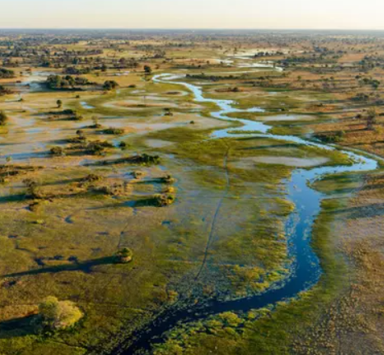
Nearly all of Botswana’s territory lies within transboundary river basins, including the Cubango-Okavango, Limpopo, Orange-Senqu, and Zambezi. These basins are vital to the country’s people, ecosystems, and economy. Their shared nature underscores the importance of strong cooperation with neighbouring States.
Hence, while landlocked, Botswana is a ‘water-linked’ country looking to harness this water connectivity for cooperation, sustainable development and regional integration.
The accessions follow a National Workshop on the UN Global Water Conventions held on 25-26 October 2023 in Gaborone. Organized by Botswana in partnership with UNECE and the European Union, a national roadmap to accession was the major outcome.
By joining both UN global water conventions, Botswana aligns itself with globally recognized legal frameworks that promote equitable and reasonable use of shared waters, prevent conflicts, promote peace and foster dialogue, data exchange, and joint management for sustainable development.
Ms. Sonja Koeppel, Secretary of the Water Convention, acknowledge this major milestone: “We warmly welcome Botswana as the 58th Party to the UN Water Convention,” added Ms. Koeppel. “Botswana now joins a growing global community of Parties which is bucking the trend of shrinking multilateralism. It reinforces Africa’s strong engagement in transboundary water cooperation and helps to further a shared global vision for sustainable and peaceful management of freshwater resources.”
Ms Koeppel added that “Looking ahead to the next UN Water Conference in December 2026 in Abu Dhabi and co-hosted by Senegal and the United Arab Emirates, Botswana’s accessions are great show of faith by the country in the benefits of the UN Global Water Conventions, coming at a crucial time for transboundary water cooperation. As we currently gather in Senegal as part of the Conference preparations, I fully encourage other countries in accession to accelerate progress to join as Parties to the Water Convention.”
SDG indicator 6.5.2 on transboundary cooperation shows that Botswana is one of only two countries in Africa that has all its shared waters covered by an operational arrangement — the other being its co-riparian neighbour, Namibia. Yet transboundary cooperation requires continuous efforts to support the sustainable management and development of shared basins’ water resources, particularly in the face of natural and human-induced pressures.
In feedback provided about the impact of reporting on SDG Indicator 6.5.2, Botswana’s officials indicated: “Our participation in reporting on SDG 6.5.2 cultivated Botswana’s interest to accede to the UN Water Convention and UN Watercourses Convention. The SDG Indicator 6.5.2 has also strengthened our cooperation in transboundary water resources for equitable water sharing and regional cooperation on joint water projects.”
Botswana is already an active member of basin organizations — including the Permanent Okavango River Basin Water Commission (OKACOM), the Limpopo Watercourse Commission (LIMCOM), the Orange-Senqu River Commission (ORASECOM), and the Zambezi Watercourse Commission (ZAMCOM) — and is party to the Southern African Development Community (SADC) Revised Protocol on Shared Watercourses.
Accession to the UN global water conventions complements these regional frameworks, offering Botswana enhanced opportunities for capacity building, access to technical assistance, and participation in the growing global community of practice under the UN Water Convention.
Botswana’s decision to join both Conventions demonstrates strong political will to strengthen transboundary water governance, promote peace and stability, and accelerate progress toward achieving Sustainable Development Goal 6 (Clean Water and Sanitation), particularly Target 6.5 on transboundary cooperation, which will be reviewed at the 2026 UN Water Conference in Abu Dhabi on 2-4 December 2026.
At the last UN Water Conference in March 2023, the UN Secretary-General, Mr. António Guterres, called on all Member States to accede to the UN Water Convention and strive for its full implementation.
For more information on the UN Water Convention see here.
For more information on the Convention’s activities at the High-Level Preparatory Meeting in Dakar, Senegal, from 26-27 January, see here.
Photo credit: JUAN CARLOS MUNOZ / stock.adobe.com
Source:https://unece.org/climate-change/press/water-linked-botswana-joins-both-un-global-water-conventions-advance-water
^
‘Water-linked’ Botswana joins both UN Global Water Conventions to advance water cooperation heading towards the 2026 UN Water Conference

Announced today in Dakar, Senegal, at a crucial preparatory meeting for the 2026 UN Water Conference in December, Botswana has taken a major step forward in strengthening its transboundary water cooperation.
On 20 January, Botswana acceded to both the 1992 United Nations Convention on the Protection and Use of Transboundary Watercourses and International Lakes (UN Water Convention) and the 1997 United Nations Convention on the Law of the Non-Navigational Uses of International Watercourses (UN Watercourses Convention).
This marks a major milestone in its commitment to sustainable and cooperative management of shared water resources. With this dual accession, Botswana becomes the 58th Party to the UN Water Convention — the 14th from Africa and the 4th from Southern Africa — and the 42nd Party to the UN Watercourses Convention.
Nearly all of Botswana’s territory lies within transboundary river basins, including the Cubango-Okavango, Limpopo, Orange-Senqu, and Zambezi. These basins are vital to the country’s people, ecosystems, and economy. Their shared nature underscores the importance of strong cooperation with neighbouring States.
Hence, while landlocked, Botswana is a ‘water-linked’ country looking to harness this water connectivity for cooperation, sustainable development and regional integration.
The accessions follow a National Workshop on the UN Global Water Conventions held on 25-26 October 2023 in Gaborone. Organized by Botswana in partnership with UNECE and the European Union, a national roadmap to accession was the major outcome.
By joining both UN global water conventions, Botswana aligns itself with globally recognized legal frameworks that promote equitable and reasonable use of shared waters, prevent conflicts, promote peace and foster dialogue, data exchange, and joint management for sustainable development.
Ms. Sonja Koeppel, Secretary of the Water Convention, acknowledge this major milestone: “We warmly welcome Botswana as the 58th Party to the UN Water Convention,” added Ms. Koeppel. “Botswana now joins a growing global community of Parties which is bucking the trend of shrinking multilateralism. It reinforces Africa’s strong engagement in transboundary water cooperation and helps to further a shared global vision for sustainable and peaceful management of freshwater resources.”
Ms Koeppel added that “Looking ahead to the next UN Water Conference in December 2026 in Abu Dhabi and co-hosted by Senegal and the United Arab Emirates, Botswana’s accessions are great show of faith by the country in the benefits of the UN Global Water Conventions, coming at a crucial time for transboundary water cooperation. As we currently gather in Senegal as part of the Conference preparations, I fully encourage other countries in accession to accelerate progress to join as Parties to the Water Convention.”
SDG indicator 6.5.2 on transboundary cooperation shows that Botswana is one of only two countries in Africa that has all its shared waters covered by an operational arrangement — the other being its co-riparian neighbour, Namibia. Yet transboundary cooperation requires continuous efforts to support the sustainable management and development of shared basins’ water resources, particularly in the face of natural and human-induced pressures.
In feedback provided about the impact of reporting on SDG Indicator 6.5.2, Botswana’s officials indicated: “Our participation in reporting on SDG 6.5.2 cultivated Botswana’s interest to accede to the UN Water Convention and UN Watercourses Convention. The SDG Indicator 6.5.2 has also strengthened our cooperation in transboundary water resources for equitable water sharing and regional cooperation on joint water projects.”
Botswana is already an active member of basin organizations — including the Permanent Okavango River Basin Water Commission (OKACOM), the Limpopo Watercourse Commission (LIMCOM), the Orange-Senqu River Commission (ORASECOM), and the Zambezi Watercourse Commission (ZAMCOM) — and is party to the Southern African Development Community (SADC) Revised Protocol on Shared Watercourses.
Accession to the UN global water conventions complements these regional frameworks, offering Botswana enhanced opportunities for capacity building, access to technical assistance, and participation in the growing global community of practice under the UN Water Convention.
Botswana’s decision to join both Conventions demonstrates strong political will to strengthen transboundary water governance, promote peace and stability, and accelerate progress toward achieving Sustainable Development Goal 6 (Clean Water and Sanitation), particularly Target 6.5 on transboundary cooperation, which will be reviewed at the 2026 UN Water Conference in Abu Dhabi on 2-4 December 2026.
At the last UN Water Conference in March 2023, the UN Secretary-General, Mr. António Guterres, called on all Member States to accede to the UN Water Convention and strive for its full implementation.
For more information on the UN Water Convention see here.
For more information on the Convention’s activities at the High-Level Preparatory Meeting in Dakar, Senegal, from 26-27 January, see here.
Photo credit: JUAN CARLOS MUNOZ / stock.adobe.com
Source:https://unece.org/climate-change/press/water-linked-botswana-joins-both-un-global-water-conventions-advance-water
^
