


The recent policies for cooperation in the field of water and energy among Central Asian countries and the new hydroelectric power plant projects will also enhance the region’s hydropolitics.
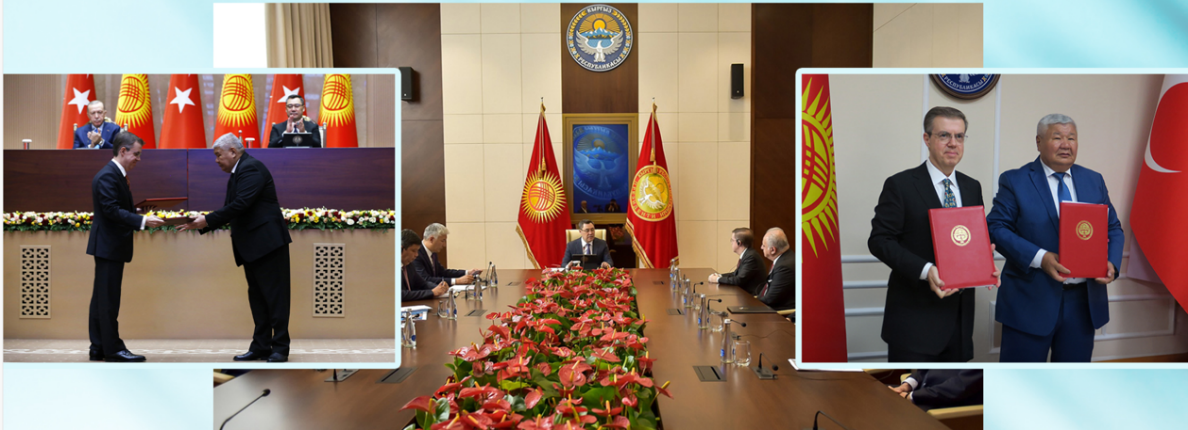
Ahmet Mücahid Ören, Chairman of the Board of Directors of İhlas Holding and Orta Asya Investment Holding, and Kyrgyz Energy Minister Talaybek Omukeviç İbraev at the signing ceremony for the Kazarman and Kokomeren HEPP projects.
The Kyrgyz government announced the construction of the Kazaraman (912 MW) and Kökömeren (1305 MW) hydroelectric power projects on the Narin River on August 12, 2025. These two packages, which will consist of six hydroelectric power plants, will have a total cost of $6.2 billion and a total installed capacity of 2217 MW.
It is stated that Orta Asya Investment Holding, a strategic subsidiary of İhlas Holding from Turkey, will implement the project, and that this project will not only create a new hydropower plant but also establish a vision for the region. The Turkish and Kyrgyz governments strongly support the project.
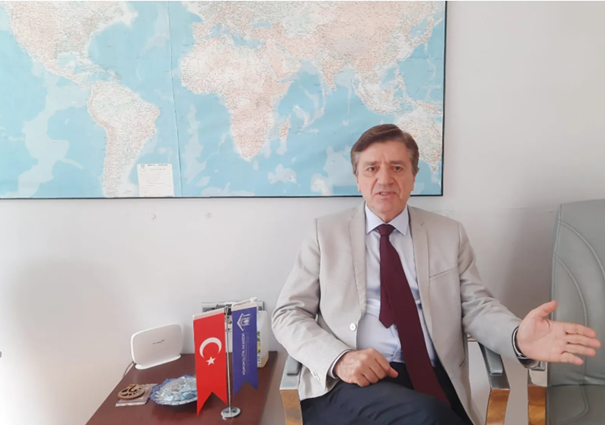
Dursun Yıldız, Director of the SPD Hydropolitics Academy, made special statements to the International News Agency regarding these projects, which are based on the collaborative development of water resources in Central Asia. Hydropolitics expert Dursun Yıldız stated the following:
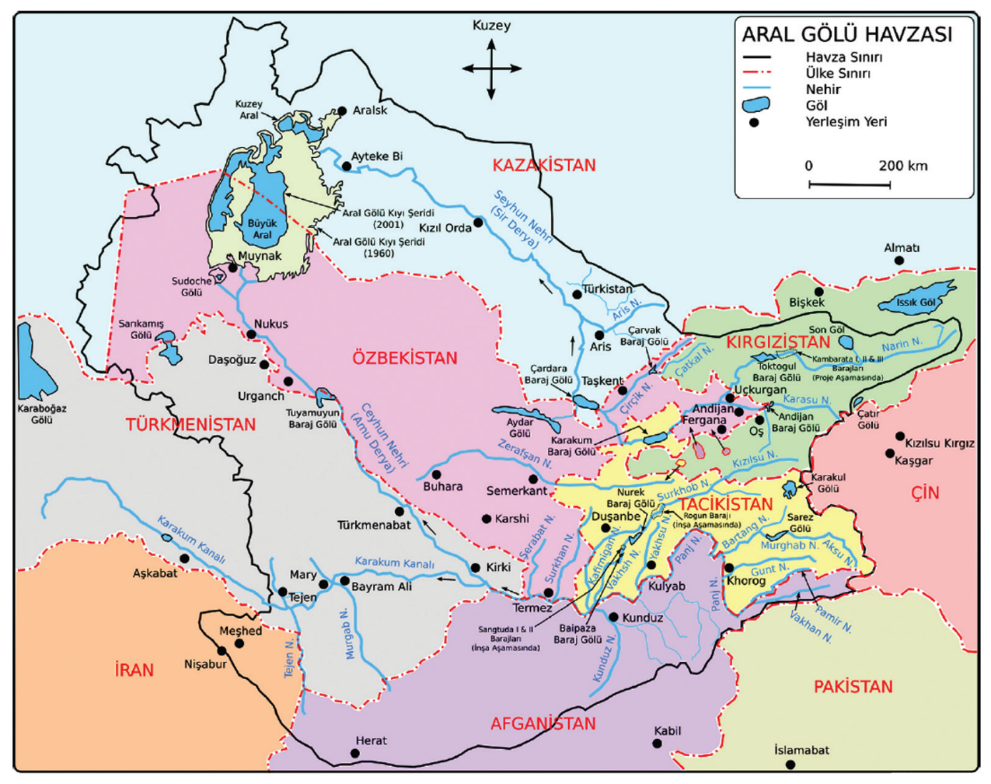
“The water-energy balance in Central Asia has become one of the most critical political and strategic issues in the region since the collapse of the USSR. Upstream countries (Kyrgyzstan and Tajikistan) possess water resources but require energy, while downstream countries (Uzbekistan, Kazakhstan, Turkmenistan) are energy-rich but water-dependent. This asymmetry has both created the potential for conflict and strengthened the need for cooperation.
During the USSR era, hydroelectric dams were built in the upstream basin, while irrigation systems were built in the downstream basin, within the framework of central planning. Thus, a balance of interdependence was established. After independence, countries prioritized their national interests and embraced water through security-oriented policies.”
Incomplete hydro energy projects (Rogun, Kambarata 1, etc.) have created imbalances between countries. As a result, the region’s water problem has become defined not as a water scarcity problem but as a transboundary water management problem.
Areas of Hydropolitical Tension and Cooperation
D. Yıldız, noting that there are areas of cooperation as well as hydropolitical tension in the region, continued:
“The need for agricultural water in the summer months for the downstream countries, while the need for energy in the winter months for the upstream countries, has created tensions in the operation of dams on transboundary rivers.” Additionally, new dam projects (Rogun, Kambarata) and the environmental crisis in the Aral Sea basin have also become sources of tension. While these tensions persist in the region, the recent emergence of water-energy swap agreements between countries, such as upper basin countries releasing water in the summer and receiving natural gas or electricity in return in the winter, the efforts to complete the Kambarata 1 Dam, which has been under construction for a very long time, through a Kazakh-Uzbek-Kyrgyz partnership, and the Kazakhstan-Kyrgyz-Uzbekistan protocol signed in 2025, have all been critical steps in bolstering regional trust.
Central Asia’s New Hydro-Energy Policy Will be Formed.
Dursun Yıldız stated that these developments will lead to the emergence of a new hydro-energy policy in the region, stating:
Kyrgyzstan’s Kazarman and Kokomeren Hydroelectric Power Plant projects (2,217 MW, $6.2 billion), for which an agreement has been reached in the region, should be viewed not only as energy production but also as building a regional vision. Turkey’s participation as an investor in this project demonstrates that it carries not only economic but also geopolitical implications. These projects will be part of an integrated energy and transportation infrastructure with the Middle Corridor, the Zangezur Corridor, and the Belt and Road Initiative.
Political Changes and Regional Dynamics in the Region
D. Yıldız stated that Kazakhstan could play a crucial role in developing a sense of mutual cooperation in the region.
“Kazakh President Tokayev’s emphasis in his opening speech to this year’s Parliament, emphasizing that ‘water is a strategic resource,’ and placing water at the center of digital transformation and sustainable development, is a positive approach to the cooperation process. Across the region: In countries transitioning from authoritarianism to limited reforms, water-energy-food-environment cooperation has become a necessity for economic diversification and social stability. Because the vision of democracy, digital transformation, and sustainable development that Kazakhstan has put forward is difficult to realize without water-energy-food-environment cooperation and the development of interdependence among the countries in the region.”

Interrelation will positively impact the region’s hydropolitics.
D. Yıldız stated that more interrelation in the region will have a positive impact on the region’s hydropolitics and that countries will be able to pursue more flexible policies regarding transboundary water management, concluding his statement as follows:
“With recent developments in the region, water management, a long-standing source of tension, is becoming an area of cooperation in the new era. The relationship between water, energy, food, and the environment is beginning to be addressed together in the region through the Nexus approach. This will support not only the development of hydropolitical relations but also socio-economic stability.
Developments in the region also have the potential to facilitate international financing for projects. The stipulation of the “Water-Energy-Food Nexus” approach by organizations such as the World Bank, ADB, and EBRD further compels the region to cooperate.”
The pursuit of water-energy cooperation in Central Asia is having a transformative impact on hydropolitical relations. Water management, which once carried the potential for conflict, has now become a driving force for regional cooperation, confidence-building measures, and economic integration. As the geopolitical importance of water grows under the pressure of climate change in the 21st century, water-energy cooperation has become a strategic imperative for Central Asian countries, not only for development but also for peace and security.
^
The recent policies for cooperation in the field of water and energy among Central Asian countries and the new hydroelectric power plant projects will also enhance the region’s hydropolitics.
Ahmet Mücahid Ören, Chairman of the Board of Directors of İhlas Holding and Orta Asya Investment Holding, and Kyrgyz Energy Minister Talaybek Omukeviç İbraev at the signing ceremony for the Kazarman and Kokomeren HEPP projects.
The Kyrgyz government announced the construction of the Kazaraman (912 MW) and Kökömeren (1305 MW) hydroelectric power projects on the Narin River on August 12, 2025. These two packages, which will consist of six hydroelectric power plants, will have a total cost of $6.2 billion and a total installed capacity of 2217 MW.
It is stated that Orta Asya Investment Holding, a strategic subsidiary of İhlas Holding from Turkey, will implement the project, and that this project will not only create a new hydropower plant but also establish a vision for the region. The Turkish and Kyrgyz governments strongly support the project.
Dursun Yıldız, Director of the SPD Hydropolitics Academy, made special statements to the International News Agency regarding these projects, which are based on the collaborative development of water resources in Central Asia. Hydropolitics expert Dursun Yıldız stated the following:
“The water-energy balance in Central Asia has become one of the most critical political and strategic issues in the region since the collapse of the USSR. Upstream countries (Kyrgyzstan and Tajikistan) possess water resources but require energy, while downstream countries (Uzbekistan, Kazakhstan, Turkmenistan) are energy-rich but water-dependent. This asymmetry has both created the potential for conflict and strengthened the need for cooperation.
During the USSR era, hydroelectric dams were built in the upstream basin, while irrigation systems were built in the downstream basin, within the framework of central planning. Thus, a balance of interdependence was established. After independence, countries prioritized their national interests and embraced water through security-oriented policies.”
Incomplete hydro energy projects (Rogun, Kambarata 1, etc.) have created imbalances between countries. As a result, the region’s water problem has become defined not as a water scarcity problem but as a transboundary water management problem.
Areas of Hydropolitical Tension and Cooperation
D. Yıldız, noting that there are areas of cooperation as well as hydropolitical tension in the region, continued:
“The need for agricultural water in the summer months for the downstream countries, while the need for energy in the winter months for the upstream countries, has created tensions in the operation of dams on transboundary rivers.” Additionally, new dam projects (Rogun, Kambarata) and the environmental crisis in the Aral Sea basin have also become sources of tension. While these tensions persist in the region, the recent emergence of water-energy swap agreements between countries, such as upper basin countries releasing water in the summer and receiving natural gas or electricity in return in the winter, the efforts to complete the Kambarata 1 Dam, which has been under construction for a very long time, through a Kazakh-Uzbek-Kyrgyz partnership, and the Kazakhstan-Kyrgyz-Uzbekistan protocol signed in 2025, have all been critical steps in bolstering regional trust.
Central Asia’s New Hydro-Energy Policy Will be Formed.
Dursun Yıldız stated that these developments will lead to the emergence of a new hydro-energy policy in the region, stating:
Kyrgyzstan’s Kazarman and Kokomeren Hydroelectric Power Plant projects (2,217 MW, $6.2 billion), for which an agreement has been reached in the region, should be viewed not only as energy production but also as building a regional vision. Turkey’s participation as an investor in this project demonstrates that it carries not only economic but also geopolitical implications. These projects will be part of an integrated energy and transportation infrastructure with the Middle Corridor, the Zangezur Corridor, and the Belt and Road Initiative.
Political Changes and Regional Dynamics in the Region
D. Yıldız stated that Kazakhstan could play a crucial role in developing a sense of mutual cooperation in the region.
“Kazakh President Tokayev’s emphasis in his opening speech to this year’s Parliament, emphasizing that ‘water is a strategic resource,’ and placing water at the center of digital transformation and sustainable development, is a positive approach to the cooperation process. Across the region: In countries transitioning from authoritarianism to limited reforms, water-energy-food-environment cooperation has become a necessity for economic diversification and social stability. Because the vision of democracy, digital transformation, and sustainable development that Kazakhstan has put forward is difficult to realize without water-energy-food-environment cooperation and the development of interdependence among the countries in the region.”
Interrelation will positively impact the region’s hydropolitics.
D. Yıldız stated that more interrelation in the region will have a positive impact on the region’s hydropolitics and that countries will be able to pursue more flexible policies regarding transboundary water management, concluding his statement as follows:
“With recent developments in the region, water management, a long-standing source of tension, is becoming an area of cooperation in the new era. The relationship between water, energy, food, and the environment is beginning to be addressed together in the region through the Nexus approach. This will support not only the development of hydropolitical relations but also socio-economic stability.
Developments in the region also have the potential to facilitate international financing for projects. The stipulation of the “Water-Energy-Food Nexus” approach by organizations such as the World Bank, ADB, and EBRD further compels the region to cooperate.”
The pursuit of water-energy cooperation in Central Asia is having a transformative impact on hydropolitical relations. Water management, which once carried the potential for conflict, has now become a driving force for regional cooperation, confidence-building measures, and economic integration. As the geopolitical importance of water grows under the pressure of climate change in the 21st century, water-energy cooperation has become a strategic imperative for Central Asian countries, not only for development but also for peace and security.
^
