

Water Reckoning
30 Jul 2025
It’s wild to think it’s already been a decade since Cape Town’s infamous Day Zero drought began, a crisis that forced a city of over 4.6 million people to radically rethink every drop of water. As someone who lived through it and recently revisited the story, I wanted to reflect not just on Cape Town’s journey, but on what this means for all South Africans, especially in the face of deepening climate challenges.
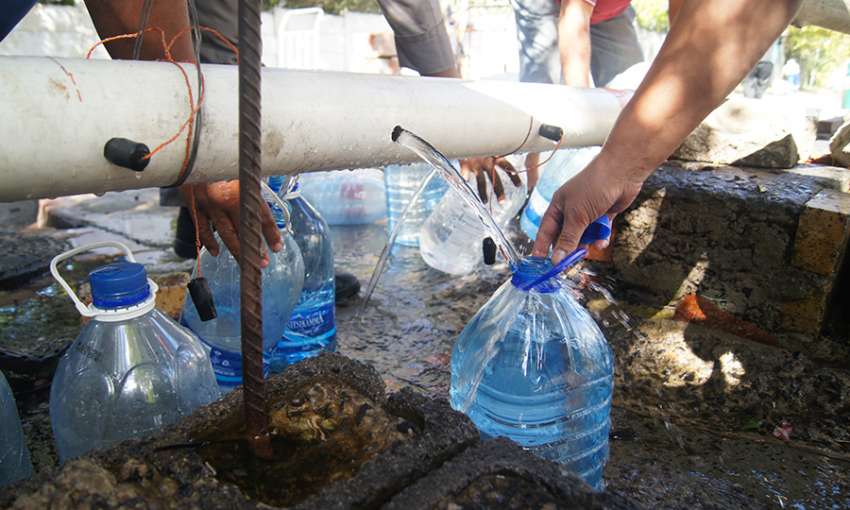
You might remember the bucket showers, the dry taps, and the queues at springs and water tankers. The sense of panic was real, but so was the sense of collective action. Against the odds, Day Zero was narrowly avoided. And in that moment, we saw something rare: government, scientists, and ordinary residents all pulling in the same direction.
This week I visited the Zandvliet Wastewater Treatment Works in
Macassar, where the City of Cape Town Cape Town discussed its New
Water Programme, which is slowly moving away from risky reliance on rainfall.
The plan is to add 300 million litres of new water a day from alternative sources like groundwater, desalination and treated wastewater. Ten years ago, 98% of the city’s water came from rain-fed dams. Now, that’s starting to change, and that shift may be the key to withstanding future climate-driven droughts.
But here’s the part that should hit home for every South African: Cape Town isn’t special. Every town and metro in this country is vulnerable. Some are already in crisis. Climate change isn’t coming, it’s here. And it’s making droughts more frequent, more intense, and more unpredictable.
The Cape Town drought was a once-in-590-year event. Yet climate models now show it’s three times more likely to happen again because of global warming. That should shake us awake. Because the hard truth is this: no infrastructure plan alone can save us if we don’t reduce demand and work together.
And here’s something hopeful, people did change. Cape Town’s average household water use dropped from 240 to 156 litres per person per day, and it has stayed that way. The crisis made conservation stick.
Source: https://www.dailymaverick.co.za/article/2025-07-30-cape-town-marks-a-decade-since-its-day-zero-drought-began/?dm_source=dm_block_list&dm_medium=card_link&dm_campaign=our-burning-planet&utm_source=Sailthru&utm_medium=email&utm_campaign=obp_newsletter
^
Water Reckoning
30 Jul 2025
It’s wild to think it’s already been a decade since Cape Town’s infamous Day Zero drought began, a crisis that forced a city of over 4.6 million people to radically rethink every drop of water. As someone who lived through it and recently revisited the story, I wanted to reflect not just on Cape Town’s journey, but on what this means for all South Africans, especially in the face of deepening climate challenges.
You might remember the bucket showers, the dry taps, and the queues at springs and water tankers. The sense of panic was real, but so was the sense of collective action. Against the odds, Day Zero was narrowly avoided. And in that moment, we saw something rare: government, scientists, and ordinary residents all pulling in the same direction.
This week I visited the Zandvliet Wastewater Treatment Works in
Macassar, where the City of Cape Town Cape Town discussed its New
Water Programme, which is slowly moving away from risky reliance on rainfall.
The plan is to add 300 million litres of new water a day from alternative sources like groundwater, desalination and treated wastewater. Ten years ago, 98% of the city’s water came from rain-fed dams. Now, that’s starting to change, and that shift may be the key to withstanding future climate-driven droughts.
But here’s the part that should hit home for every South African: Cape Town isn’t special. Every town and metro in this country is vulnerable. Some are already in crisis. Climate change isn’t coming, it’s here. And it’s making droughts more frequent, more intense, and more unpredictable.
The Cape Town drought was a once-in-590-year event. Yet climate models now show it’s three times more likely to happen again because of global warming. That should shake us awake. Because the hard truth is this: no infrastructure plan alone can save us if we don’t reduce demand and work together.
And here’s something hopeful, people did change. Cape Town’s average household water use dropped from 240 to 156 litres per person per day, and it has stayed that way. The crisis made conservation stick.
Source: https://www.dailymaverick.co.za/article/2025-07-30-cape-town-marks-a-decade-since-its-day-zero-drought-began/?dm_source=dm_block_list&dm_medium=card_link&dm_campaign=our-burning-planet&utm_source=Sailthru&utm_medium=email&utm_campaign=obp_newsletter
^
