
Towards Sustainable Water Security or the Commercialization of Water?
Dursun Yıldız
25 November 2026
Ahead of the United Nations Water Conference, scheduled for 8–10 December 2026 in Abu Dhabi, the search for a new paradigm in global water management is becoming increasingly evident. This emerging approach, also advocated by World Water Council President Loïc Fauchon, emphasizes diversifying water resources, managing water demand, reducing water losses, and changing water consumption patterns. However, the economic, social, and institutional foundations upon which this paradigm shift will be built remain unclear.
A fundamental question therefore needs to be addressed:
Are we moving from traditional, supply-oriented water management toward a sustainable, rights-based approach, or toward an increasingly market-driven water management paradigm?
The Growing Role of the Private Sector in Addressing the Water Crisis
During preparations for the UN Water Conference, financing water investments, mobilizing private capital, developing innovative financing mechanisms, and recognizing the economic value of water have emerged as prominent issues.Harnessing the private sector’s financial and technological capacity is increasingly seen as a way to close the substantial global water investment gap.
However, this process also entails several structural risks:
- The increasing commercialization of water services;
- Growing dependence of access to water on the ability to pay;
- The use of public resources to absorb private-sector investment risks;
- Increasing dependence on international financial institutions and technology companies in water management;
- The financialization and commodification of water resources.
These risks are not inevitable. The outcomes will largely depend on the legal and institutional frameworks established, financing conditions, and the effectiveness of public oversight.
Recognizing the Economic Value of Water Must Not Lead to Its Commodification
Recognizing the economic value of water can, under certain conditions, support resource efficiency and prevent waste. However, reducing water’s social, cultural, and ecological value to its market price is unacceptable.
Water demand management should not rely exclusively on pricing mechanisms. Production models, agricultural support policies, urbanization patterns, and consumption habits must also be reconsidered. Water is not merely an economic input or an investment asset. It is essential to life, ecosystem integrity, social well-being, and sustainable development.
A New Water Management Paradigm Must Not Create New Dependencies
Wastewater reuse, seawater desalination, digital water management, and advanced water technologies will play increasingly important roles in ensuring future water security.However, these capital-intensive, energy-intensive, and technology-intensive systems may create new economic and technological dependencies, particularly in developing countries.
Reducing dependence on conventional water resources must not come at the cost of increasing dependence on international financial institutions and technology companies.
New water policies must therefore go beyond technological innovation and include strengthening public institutional capacity, equitable access to technology, and democratic water governance. Technological progress should enhance the water security and institutional autonomy of countries rather than create new structural vulnerabilities.
Policy Recommendations for the 2026 UN Water Conference
The following principles should be safeguarded at the Abu Dhabi UN Water Conference:
- Protecting the human rights to water and sanitation, ensuring equitable and affordable access for all.
- Prioritizing the public interest and ecological sustainability in the management of water resources.
- Ensuring that water demand management is not based exclusively on economic and commercial instruments.
- Subjecting private-sector participation to robust public oversight, transparency, and accountability mechanisms.
- Prioritizing social and ecological benefits alongside financial returns in water infrastructure investments.
- Developing international safeguards against the risks of water commodification and financialization.
- Placing water justice at the center of global water policies.
Conclusion
The 2026 UN Water Conference could mark the beginning of a new era in global water governance. However, the emerging search for a paradigm shift presents both significant opportunities and risks that require careful consideration.
Addressing the global water crisis requires adequate financing, technological innovation, and innovative governance models. Yet these instruments must not undermine water’s public-interest character or deepen existing inequalities in access to water.
The transition away from supply-oriented water management must not shift toward an exclusively market-driven paradigm.
What the world needs is not a water management paradigm that turns water into a more profitable investment opportunity, but a rights-based, equitable, and sustainable approach that safeguards its social, economic, and ecological values.
The Abu Dhabi UN Water Conference must therefore be closely monitored, not only for its financial and technological commitments but also for its implications for water justice, public accountability, and the human rights to water and sanitation.
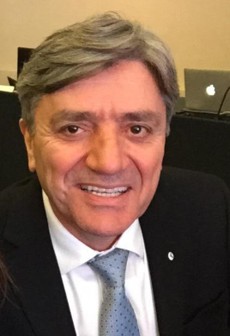
Dursun Yıldız(MSc.) is a hydropolitics specialist and the Director of the Hydropolitics Association, located in Ankara, Türkiye. He is a civil engineer and was formerly Deputy Director at the State Hydraulic Works in Türkiye; he completed a hydroinformatics postgraduate course at the IHE in Delft, a technical training program at the USBR in the USA, and a master’s degree in Hydropolitics at Hacettepe University, Türkiye.