
23 Nov. 2026
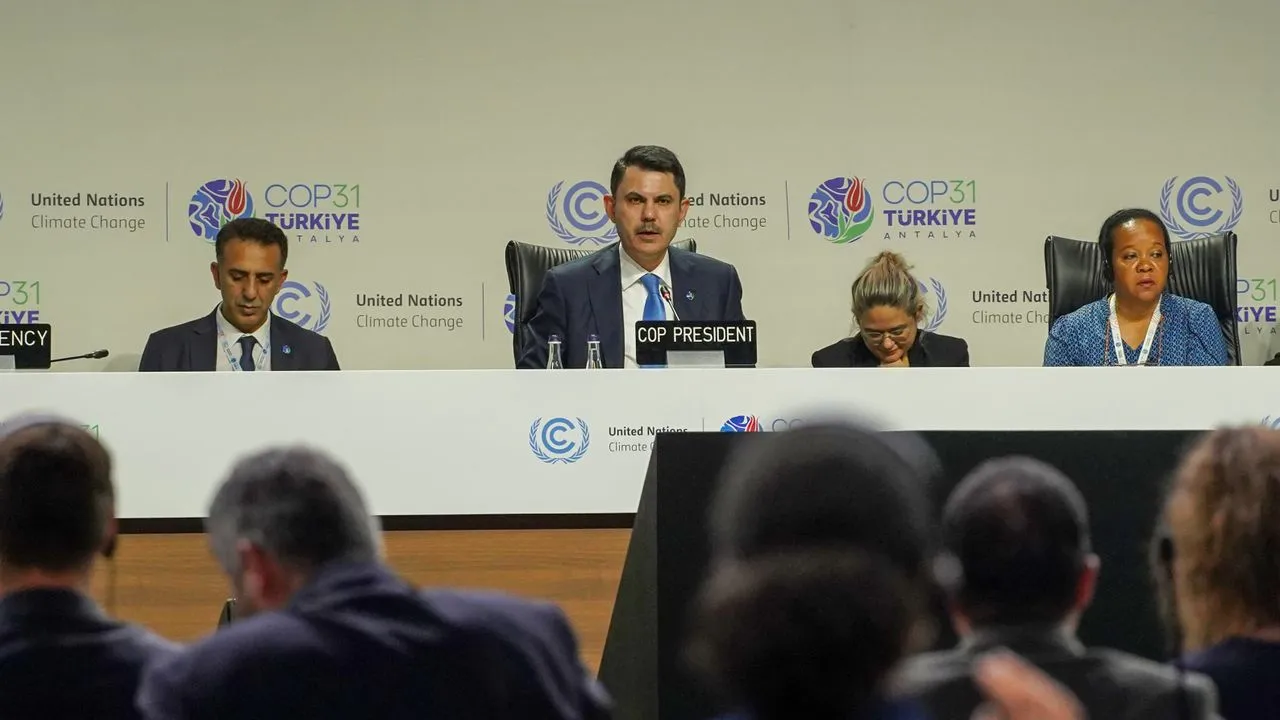
COP31, which concluded in Antalya, reveals that the gap between political commitments in global climate governance and concrete implementation remains.
While the initial draft of the Framework Decision, dated November 16, 2026, contained more comprehensive proposals—including measures for transitioning away from fossil fuels and strengthening climate change adaptation—the “Antalya Pact” draft presented on November 22 saw some of these proposals removed or diluted into more generalized, non-binding language.
The absence of a specific, ambitious annual target for climate adaptation finance—such as the proposed $120 billion—in the latest draft represents a significant shortcoming in addressing the necessary investments for climate adaptation.
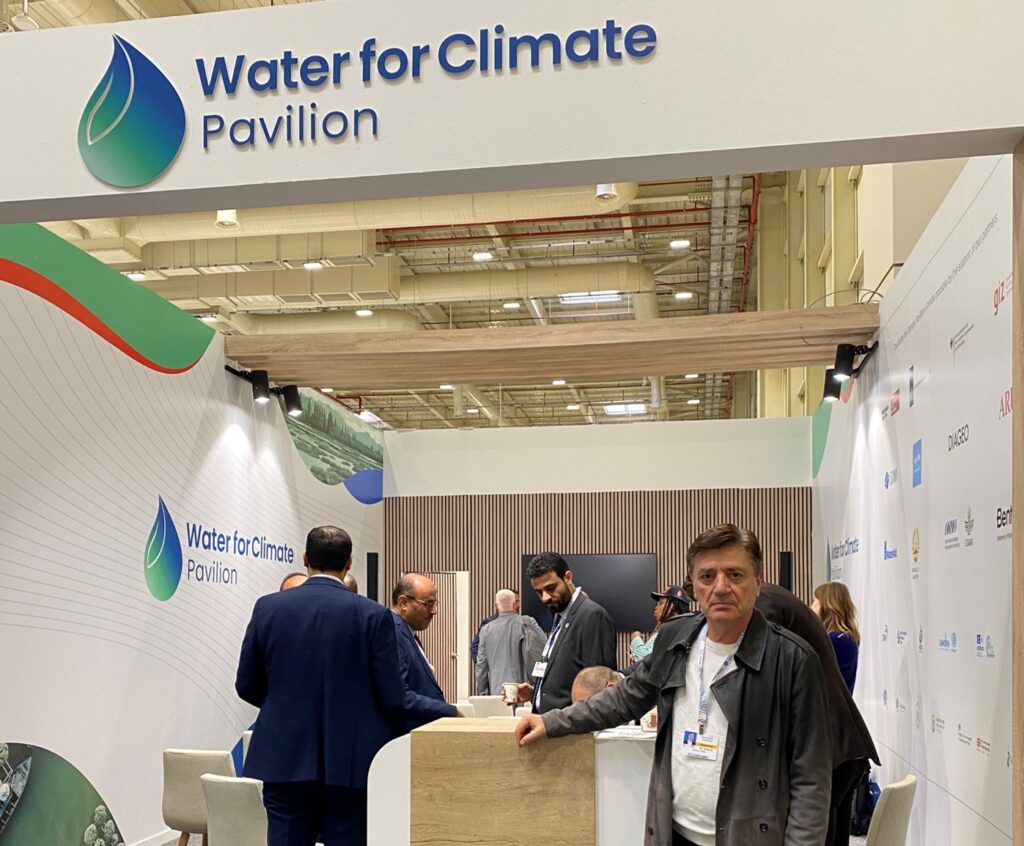
Another fundamental deficiency at COP31 is the failure to adequately integrate water-related issues into climate change adaptation policies. In the face of droughts, floods, water scarcity, and growing vulnerabilities in agricultural production, water security is not merely a sectoral concern; it is a matter of economic development, societal resilience, and stability.
Although the adoption of certain key decisions regarding adaptation and finance at COP31 is a positive step, the inability to reach a consensus on the Antalya Pact reveals that deep-seated political divisions regarding the direction of global climate policy persist.
The negotiations surrounding the Antalya Pact at COP31 clearly demonstrate that the challenge of aligning “climate ambition” with “climate implementation” is not merely a technical issue, but one that is fundamentally financial and political in nature.